

What Causes Capacitor Failure on an AC System in Tampa?
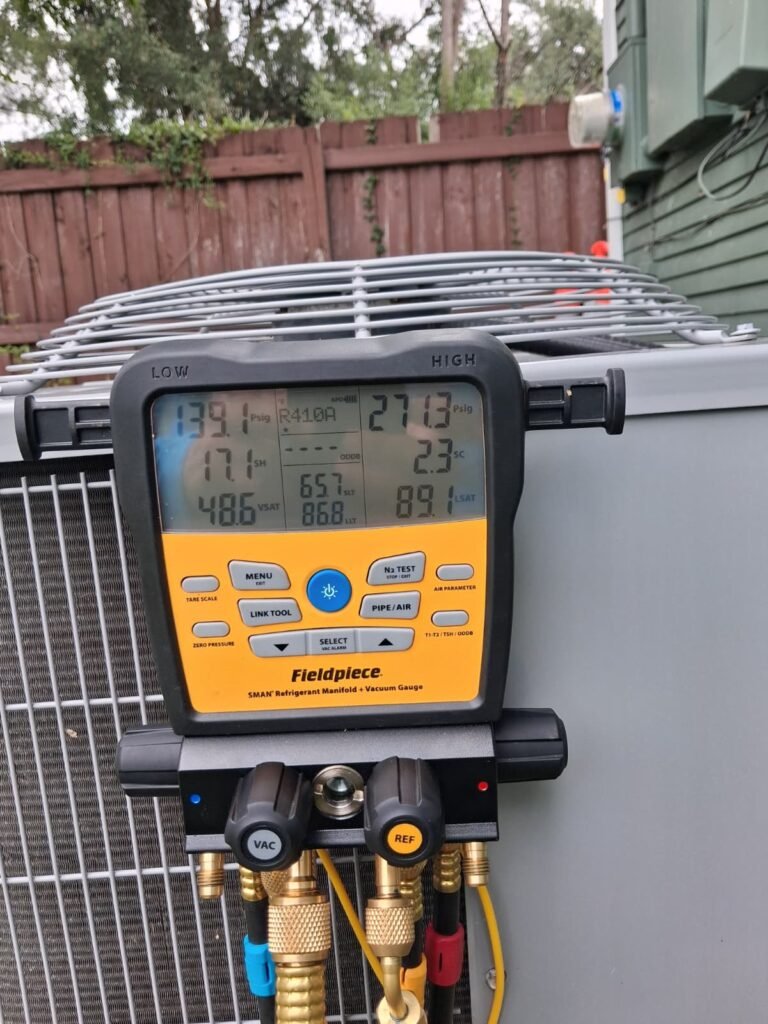
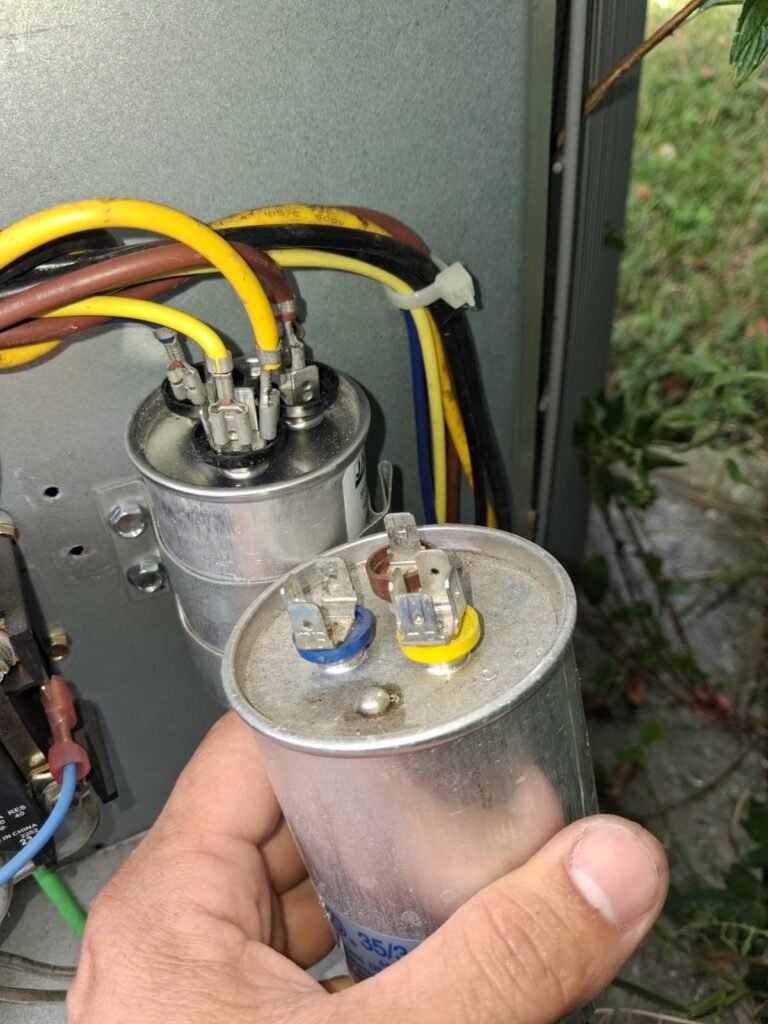
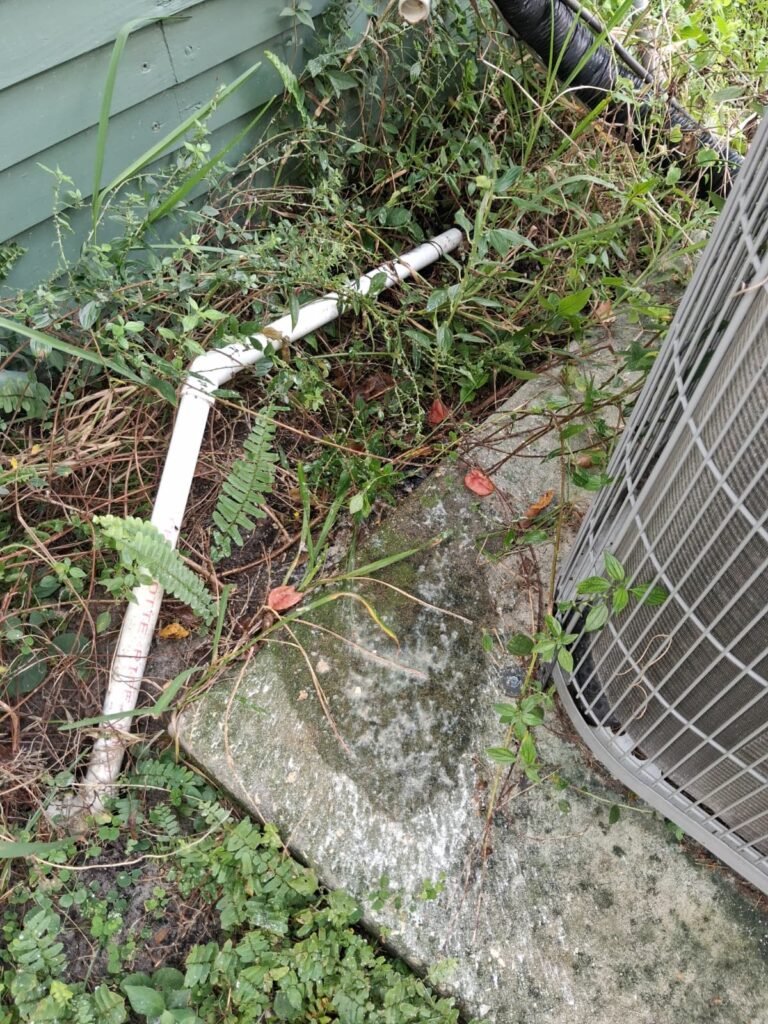
What causes capacitor failure on an AC system in Tampa, FL 33603? Heat, electrical stress, and normal wear are the most common reasons, and on this AC repair visit the failed capacitor was replaced to restore normal cooling operation.
At this Seminole Avenue home in Tampa, Roberto was sent out for a system repair that turned into a straightforward capacitor replacement. The homeowner approved the work over the phone, and the symptom matched what we often see when capacitor failure interrupts normal startup and cooling. In plain terms, the capacitor is the component that helps the system’s motors start and keep running correctly. When it fails, the AC may stop cooling, struggle to start, or act inconsistent even though the thermostat is still calling for cooling. This job gave us a clear example of what causes capacitor failure Tampa homeowners ask about every summer.
- Service performed: AC repair, capacitor replacement
- Neighborhood or street: Seminole Avenue
- Technician: Roberto
- Cause: Failed capacitor
- What was done: Removed the failed capacitor and installed a new one
- Symptom: Cooling operation interrupted by capacitor failure
Capacitor failure was the direct cause of this AC repair in Tampa
The specific named item on this call was the capacitor itself, and replacing it was the whole focus of the repair. That matters because a capacitor is not a cosmetic part. It stores and releases a quick burst of energy that helps AC motors start and run the way they should. When that part weakens or fails, the outdoor unit may hum, hesitate, or stop doing its part to move heat out of the house.
On this Seminole Avenue visit, the repair scope was simple and specific: remove the failed capacitor and install a new one. That kind of focused repair is often the right call when the rest of the system can return to proper operation once the bad component is out of the circuit. Homeowners searching for AC repair in Tampa are usually trying to figure out whether the problem is major or minor. In many cases, capacitor failure lands on the repairable side, provided the issue is identified correctly and addressed before it starts affecting other components.
One useful insider point here is that a no-cool call does not automatically mean refrigerant trouble or compressor failure. Sometimes the smaller electrical part is the real reason the system will not start or will not cool properly. That is exactly why diagnosis matters before any repair begins.
What causes capacitor failure is usually heat, wear, and repeated electrical strain
The short answer to what causes capacitor failure is repeated stress over time. In Tampa, that stress usually comes from long cooling seasons, high outdoor temperatures, and frequent system cycling. Capacitors live in a harsh environment inside the condensing unit, and they absorb that stress every time the system starts.
Most homeowners never see this part, but it works hard in the background. Over time, internal materials break down and the capacitor stops delivering the electrical boost the motors need. That is why common AC capacitor failure symptoms include hard starting, warm air from the vents, intermittent cooling, or a system that seems to call for cooling but does not fully respond.
This is also where a little contrarian perspective helps. People often assume the loudest or biggest part is the failed one. In reality, a relatively small electrical component can be the whole reason the system is not behaving normally. If you have ever dealt with ac blowing hot air, a failed capacitor is one of the possibilities a technician needs to rule in or out quickly.
The invoice for this capacitor replacement came to $251.10, including the work completed on this visit. As always, the homeowner approved a written quote before the repair began.
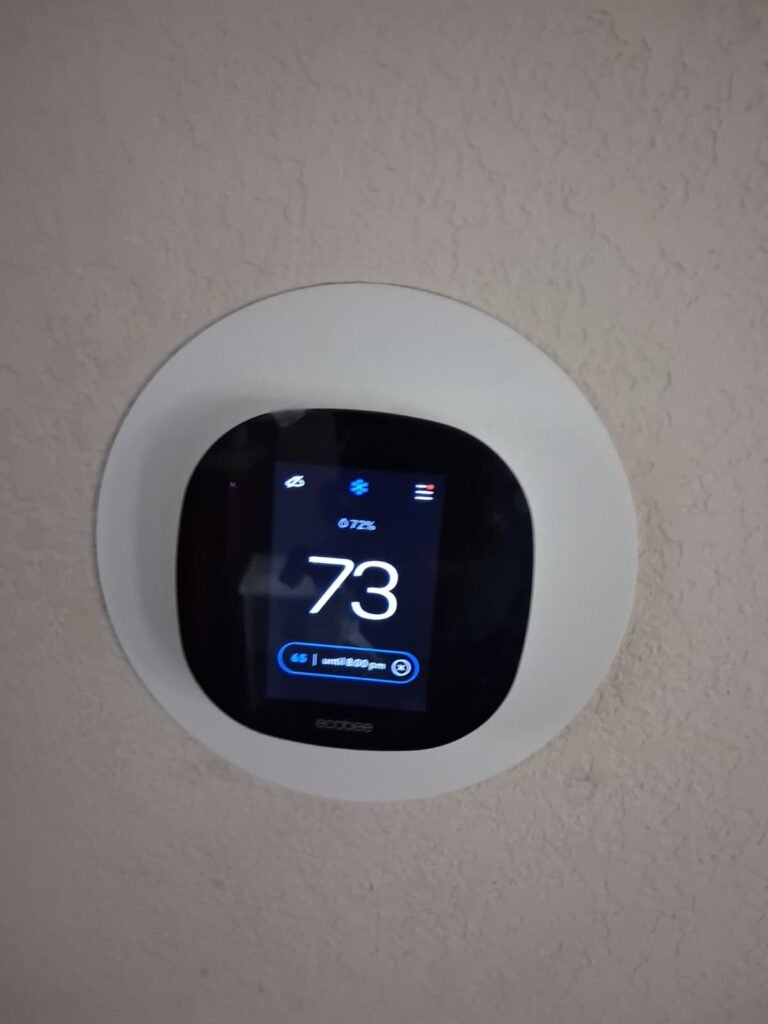
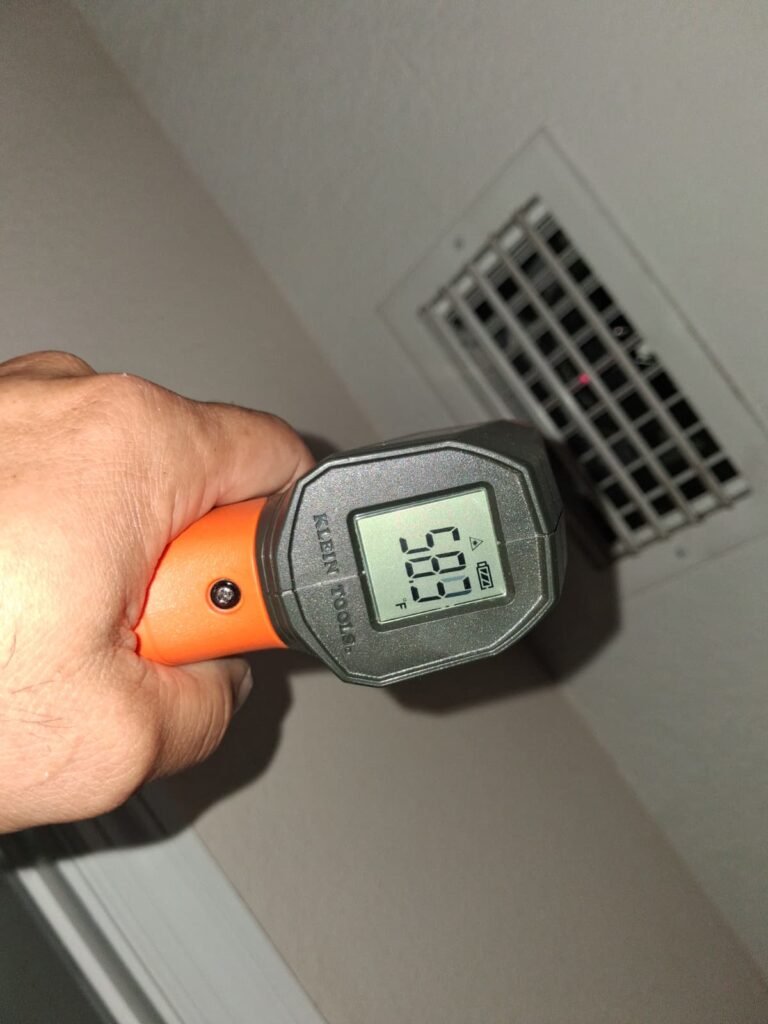
The thermostat and vent temperature confirmed the system was responding again
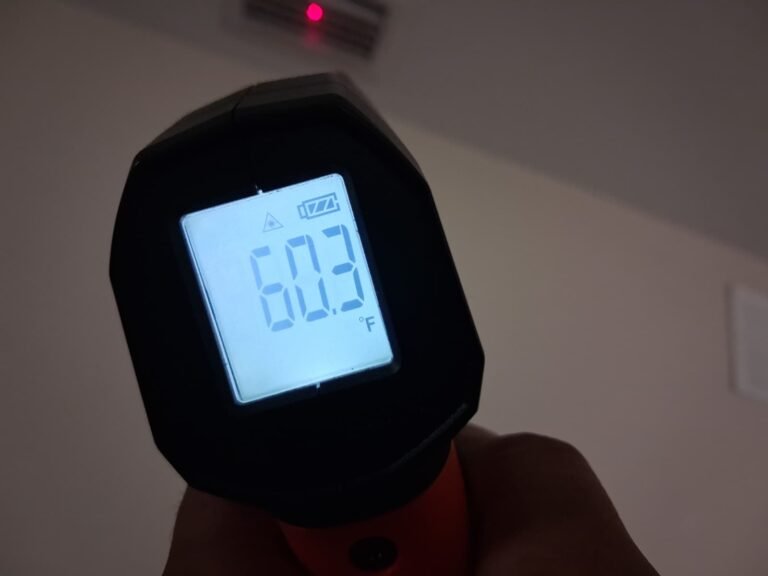
This Tampa job also had a couple of useful specifics that help tell the story. The thermostat was set to 73 degrees, and the supply air check at a vent showed 58.9 degrees after the repair. We do not use one number alone to tell the whole story, but those details support the bigger point: once the failed capacitor was replaced, the system was again producing cool air at the registers.
That kind of verification matters. A proper repair is not just swapping a part and leaving. The goal is to confirm that the system responds normally afterward. On a capacitor call, that means making sure the unit starts, runs, and cools as expected. It is one reason many homeowners use our broader air conditioning service when they want a team that can both diagnose the electrical issue and verify the cooling result before wrapping up.
For homeowners researching motor capacitor failure symptoms or electric motor capacitor failure symptoms, this is the practical takeaway: the symptom may show up at the thermostat or the vent, but the cause can still be a small electrical part in the outdoor equipment.
Why this Tampa repair was more about the right diagnosis than a bigger repair
This job is a good reminder that not every AC problem needs an oversized solution. The homeowner approved the repair over the phone, which usually means one thing matters most: clarity. If the failed part is identified correctly and the rest of the system responds properly after replacement, there is no reason to pad the scope.
That is also why we like transparent education around repairs like this. Homeowners looking up what this work typically costs are usually trying to separate a targeted electrical repair from a much larger system issue. On this Seminole Avenue call, the specific fix was a new capacitor, not a guessed-at chain of extra parts.
For broader technical guidance on how central AC systems operate and why proper diagnosis matters, the U.S. Department of Energy has a solid homeowner overview. When refrigerants are involved, handling rules also matter, which is why licensed HVAC work follows standards like EPA Section 608. This particular visit was a capacitor repair, but the bigger principle is the same: identify the real cause first, then fix that cause cleanly.
Pro Tips for Tampa Homeowners Dealing With Capacitor Failure
Tampa heat is hard on electrical components, so a few habits can help you catch trouble earlier and avoid unnecessary strain on the system.
First, pay attention to startup behavior. If the system hesitates, hums, or seems slower to kick on than usual, that can point to early capacitor failure symptoms.
Second, do not ignore warm air from the vents just because the thermostat screen looks normal. The thermostat can call for cooling even when a failed capacitor keeps the outdoor side from doing its job.
Third, keep the area around the outdoor unit clear so airflow is not restricted. Good airflow does not prevent every capacitor problem, but it does reduce extra heat stress on the equipment.
Fourth, if your system begins acting erratically, avoid repeated thermostat adjustments to force it to run. Repeated hard starts can add more stress to already struggling components.
Fifth, routine service helps catch wear before it becomes a no-cool day. In a long Florida cooling season, small electrical parts often show their age before larger components do.
Capacitor Failure Questions From This Tampa AC Repair
What causes capacitor failure most often?
Heat, age, and repeated electrical stress cause capacitor failure most often. In Tampa, long run times and heavy summer demand add to that wear. On this Seminole Avenue repair, the failed capacitor had reached the point where replacement was the practical fix to restore normal cooling.
Will the AC still run if the capacitor is bad?
Sometimes part of the AC may appear to run if the capacitor is bad, but the system will not operate correctly. A thermostat may still call for cooling, yet the motors that depend on the capacitor may struggle to start or stay running. That mismatch is one reason capacitor problems can confuse homeowners at first.
What are the typical signs that a capacitor has failed?
Typical signs include warm air, hard starting, inconsistent cooling, humming, or a system that seems on but is not cooling properly. Those are classic AC capacitor failure symptoms. This Tampa repair fit that pattern closely enough that capacitor replacement was the approved solution.
How expensive is it to replace an AC capacitor?
The cost depends on the exact system and the scope of the visit, but capacitor replacement is usually a targeted repair rather than a full system overhaul. On this Tampa, FL 33603 job, the completed capacitor replacement invoice was $251.10. The key is getting a written quote before any repair starts.
How can homeowners help prevent capacitor failure?
Homeowners can help prevent capacitor failure by staying current on maintenance, watching for early startup changes, and addressing no-cool symptoms promptly. You cannot stop normal wear completely, but you can reduce extra stress and avoid letting a small electrical problem turn into a larger one.
Schedule AC Repair in Tampa, FL 33603
If your system is acting up in Tampa, FL 33603, Home Therapist is here to help with clear answers and careful repair recommendations. We have served Tampa Bay since 2017, and our licensed team brings both HVAC and plumbing expertise to local homes. Our HVAC license is CAC1819196, our plumbing license is CFC1431159, and we have earned 1,300+ five-star reviews by keeping the process straightforward and respectful.
For readers dealing with capacitor failure, warm air, or a system that will not start the way it should, we offer FREE estimates and FREE diagnosis on every service call. You approve a written quote before any repair begins. If you need AC repair in Tampa or anywhere in our service area, call Home Therapist at (813) 343-2212. We service every brand, and we focus on finding the actual cause before recommending the fix.


