

Where the Float Switch Sits Depends on the Drain Setup in Tampa

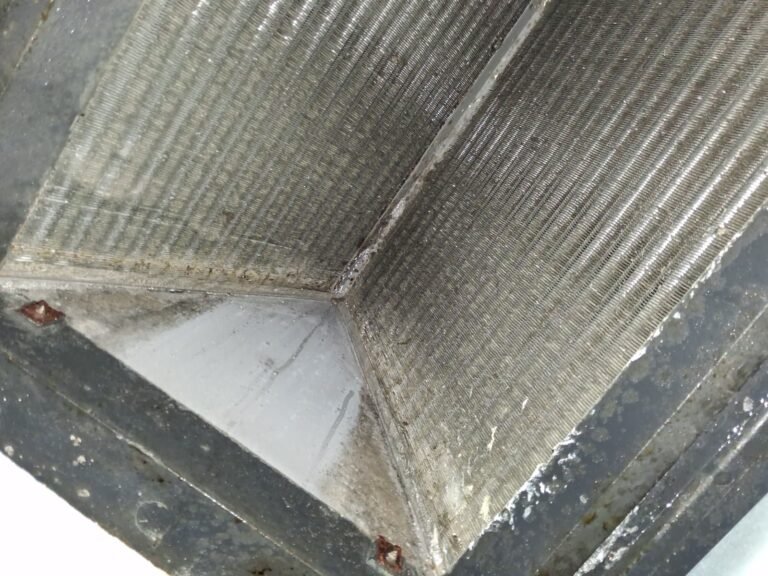
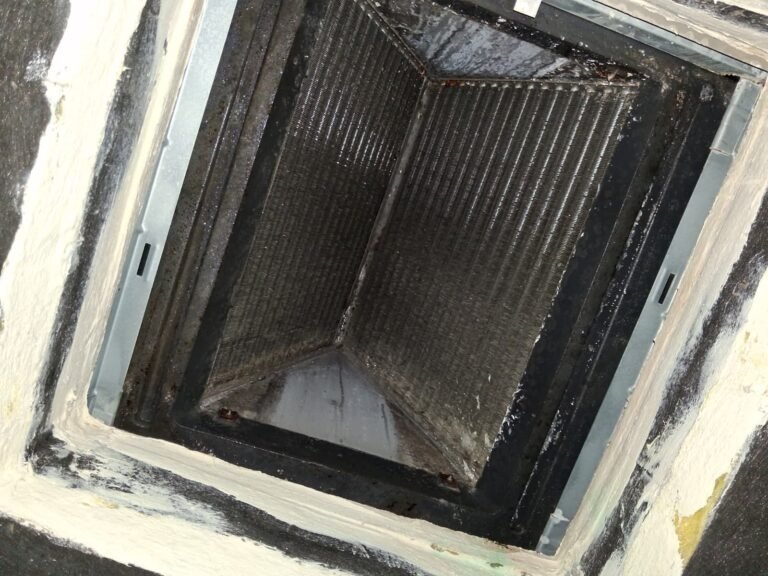
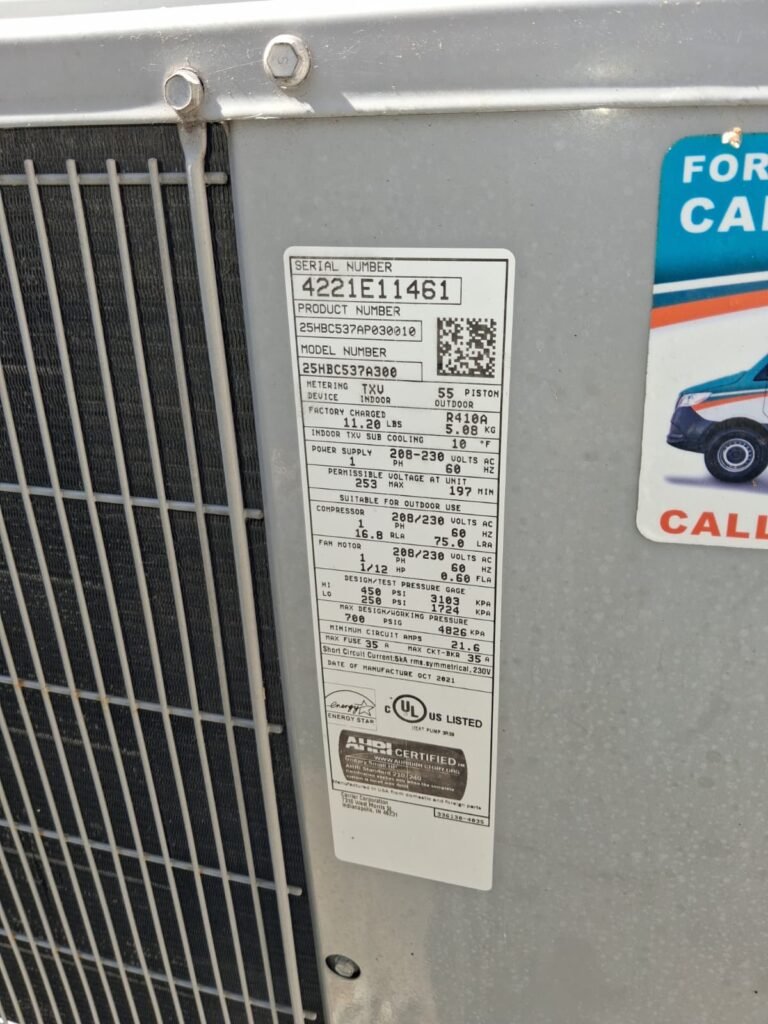
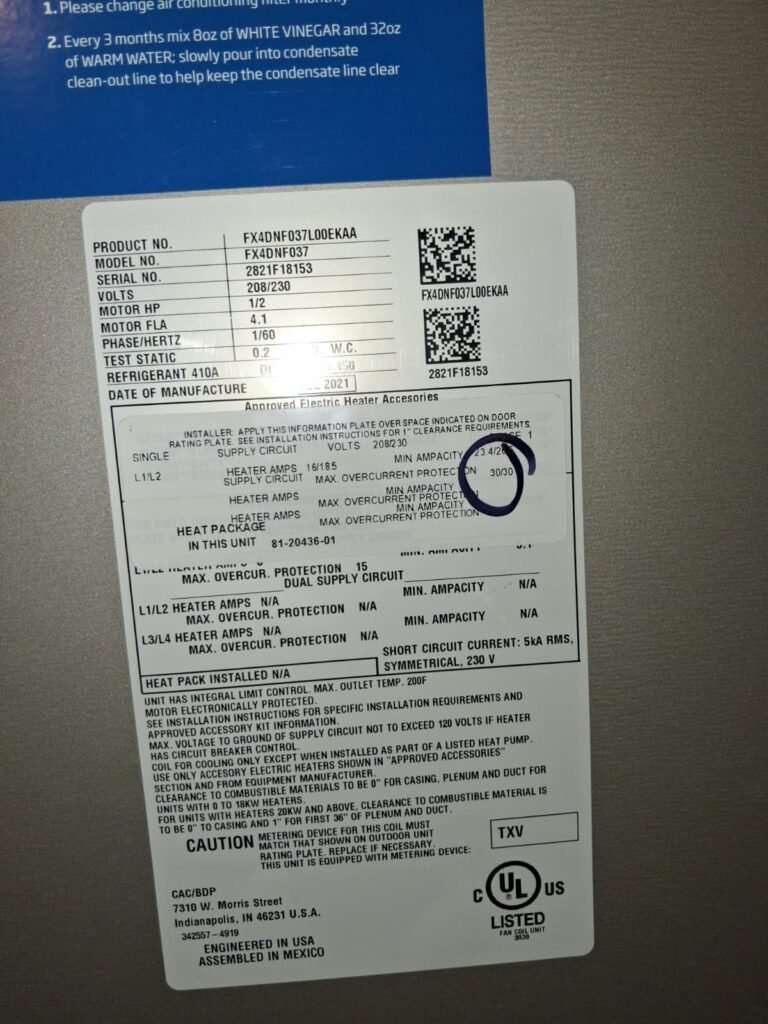
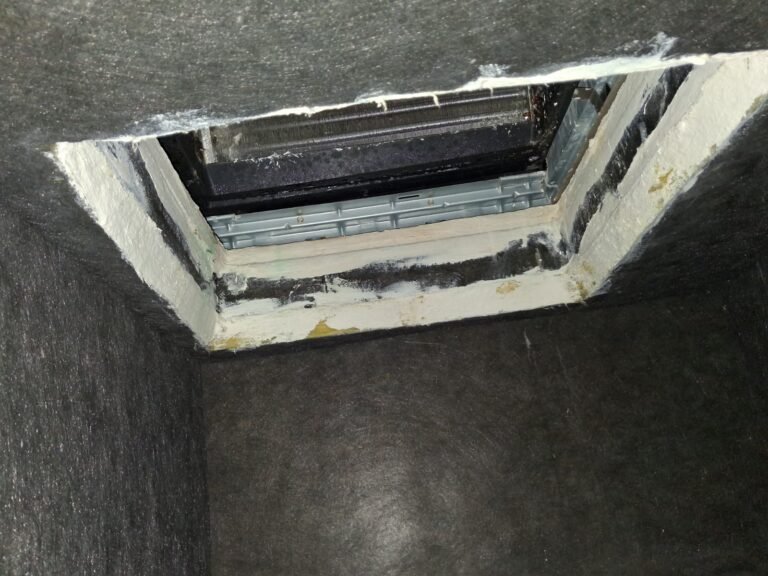
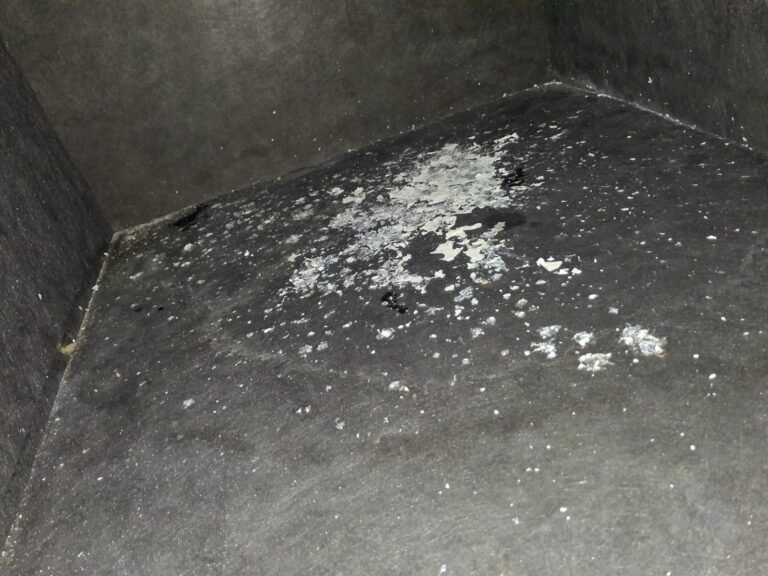
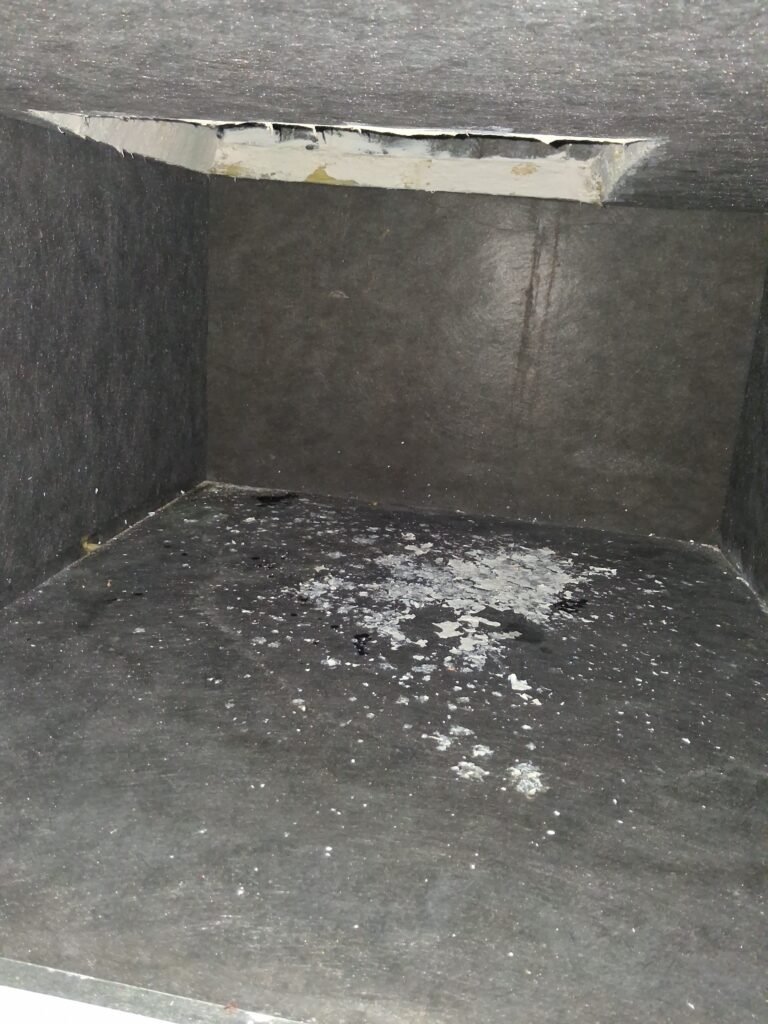
Where is the float switch on AC unit systems? In Tampa, FL 33619, the float switch usually sits at the drain pan, inline on the condensate drain, or inside a condensate pump, depending on how the air handler drains. On this Wild Senna Blvd job, the solution was a new condensate pump installation with float switch testing to protect the system from overflow.
On Wild Senna Blvd in Tampa, FL 33619, Roberto handled a condensate pump installation for an air conditioning system that could not drain by gravity alone. That detail matters because many homeowners searching where is the float switch on ac unit are really trying to understand what shuts the system off before water spills into a closet, attic, or garage. In this case, the safety point was tied to the condensate pump setup. Roberto supplied and installed the new pump, connected it to the drain line, secured and leveled it, and tested pump operation along with the float switch so the system could move water away properly again.
- Service performed: Condensate pump new installation
- Neighborhood or street: Wild Senna Blvd
- Technician: Roberto
- Cause: The air handler could not drain by gravity alone
- What was done: New pump installed, tied into drain line, leveled, secured, and tested
- Parts replaced: Condensate pump
On this Tampa job, the float switch location depended on the condensate pump setup
The key answer on this visit was simple. The float switch on an AC unit is not always mounted in one universal spot. When a system drains naturally, the safety switch may be at the auxiliary drain pan or in the drain line itself. When a system needs help moving water out, the condensate pump becomes part of that safety chain, and the float switch is tied to that pump assembly.
That was the important distinction on Wild Senna Blvd. This was not a gravity-only drain arrangement. The air handler needed a pump to move condensate away safely, so the float switch function had to be verified as part of the installation, not treated like a separate accessory. Homeowners often search for an our full guide on this question because they want to know where to look when cooling stops unexpectedly. On jobs like this one, the answer starts with the drain design, not with the thermostat.
That is also why a float switch for AC equipment is really a water safety device. It is there to stop operation or trigger pump action before condensate overflows into finished space. In a humid Tampa cooling season, that protection matters.
A condensate pump was the right fix because this system could not drain by gravity
The specific named item on this visit was the new condensate pump. Its job is straightforward: collect the water the AC makes and push it to a suitable drain point when the equipment sits too far from a gravity drain path. Without that pump, water can back up where it should not.
This is one of those insider details many homeowners do not hear until there is a leak. Bigger AC components get most of the attention, but the small drainage accessories often decide whether the system runs cleanly or shuts down on a safety. The accessories tell you whether the installation was thought through, not just the cooling equipment itself.
Roberto installed the pump, connected it to the existing drain path or tie-in point, secured and leveled it, and checked that water drained properly after testing. Leveling matters because a pump that sits unevenly can cycle poorly or leave water where it should not. Securing it matters because vibration and movement over time can stress tubing and wiring. Testing the float switch matters because a pump is only half the solution if the safety does not respond when water rises.
For homeowners comparing this to other AC repair in Tampa calls, this kind of work is less about refrigerant or airflow and more about moisture management. In Florida homes, moisture details are often what separate a stable system from nuisance shutdowns.
This Tampa visit bundled the pump installation and system protection work into one invoice
This job had one focus service, but it included several steps inside that scope: supplying the new pump, tying it into the drain line, securing and leveling it, adding protection on exposed drain tubing if needed, and testing drainage and float switch operation at the end. The combined invoice for that completed condensate pump installation came to $1,069.
That framing matters because homeowners sometimes compare one line item name to another company’s stripped-down quote and assume they are equal. They usually are not. A condensate pump install is only complete when the water path, pump operation, and safety response all get checked together. You approve a written quote before any repair or installation begins, and the goal is to leave with the drainage working as a system, not just with a new box in place.
If you are sorting through related cooling issues, our air conditioning service information can help separate drainage problems from cooling or airflow problems that look similar at first.
Testing the float switch matters because shutdowns often start with water, not cooling parts
The most useful takeaway from this Tampa, FL 33619 job is that a float switch AC setup is there to prevent a mess before it becomes visible. Many homeowners assume the switch is only there for emergencies, but it often acts earlier than that. If water rises where it should not, the switch can stop the system or trigger the pump response before overflow reaches flooring, drywall, or a closet base.
That is why testing was part of the work here. Roberto did not just install the new condensate pump and leave. He verified that the pump and float switch responded correctly and that water drained properly after the installation. That final check is what tells you the safety chain is actually doing its job.
For broader efficiency and system guidance, the U.S. Department of Energy explains how central air systems work as a whole, but drainage protection is one of the practical field details that homeowners usually only learn about after a service call.
Pro tips for Tampa homeowners with condensate pumps and float switches
Condensate pump and float switch issues are common enough in Tampa that a few practical habits can save a lot of frustration.
First, know which kind of drain protection your system uses. If you have a closet or remote air handler, the float switch on AC unit equipment may be in the pan, the drain line, or the pump assembly itself.
Second, do not assume every cooling shutdown is a major mechanical failure. A water safety interruption can stop operation even when the rest of the system is fine.
Third, keep the area around the air handler accessible. When the pump, tubing, or switch needs service, clear access makes diagnosis faster and cleaner.
Fourth, pay attention to exposed drain tubing. Protection like insulation or a cover helps the installation stay neater and better supported over time.
Fifth, if your system has repeated moisture-related interruptions, ask for the drain design to be reviewed, not just the thermostat settings. In a long Florida cooling season, drainage details matter as much as many of the electrical parts homeowners hear more about.
Float switch questions this Tampa homeowner situation brings up
How do you check the float switch on an AC unit?
You check the float switch on an AC unit by verifying where it is installed and then testing whether it responds correctly to rising water or pump action. On this Tampa job, testing happened after the new condensate pump was installed. That matters because the switch has to work with the actual drain design. A visual check alone is not enough if the system depends on a pump to move water away.
How much water should come out of an AC drain line?
The amount of water that comes out of an AC drain line varies with humidity, runtime, and system load. In Tampa, that amount can be significant because the AC removes a lot of moisture from indoor air for much of the year. On a setup like this one, the important issue is not a specific volume. It is whether water moves away consistently without backing up or tripping the safety unnecessarily.
Do all AC units have a condensate drain?
Yes, central AC systems that remove humidity need a way to dispose of condensate. Some systems drain by gravity, while others need a condensate pump like the one installed on this Wild Senna Blvd job. That difference is why the answer to where is float switch on ac unit questions changes from home to home. The switch location follows the drainage method.
How do you reset an AC float switch?
You reset an AC float switch by correcting the water problem first, not by forcing the system back on. If the switch tripped because water could not drain properly, the real fix is restoring the drainage path or pump function. On this job, Roberto tested the new pump and float switch together so the system could manage condensate correctly. Resetting without fixing the cause usually leads to another shutdown.
How often should an AC drain system be checked?
An AC drain system should be checked regularly, especially in Tampa’s long, humid cooling season. The exact timing depends on how heavily the system runs and whether it uses gravity drainage or a condensate pump. On systems like this one, periodic inspection of the pump, tubing, and float switch helps catch water management issues before they turn into overflow or nuisance shutdowns.
Schedule help for AC drainage and float switch issues in Tampa, FL 33619
If you are dealing with a float switch question, a drainage shutdown, or a condensate pump issue in Tampa, FL 33619, Home Therapist can help. We have served Tampa Bay since 2017, and homeowners across the area have left us 1,300+ five-star reviews because we keep the process clear and the work grounded in what the system actually needs. We are fully licensed for HVAC and plumbing, CAC1819196 and CFC1431159, and you can verify Florida contractor licensing through Florida DBPR.
Whether the issue is a pump that is no longer moving water, an AC drain pan float switch question, or a broader moisture problem around the air handler, we will inspect the setup, explain what we find, and give you a written quote before any work begins. For homeowners in Tampa and nearby 33619 neighborhoods, call Home Therapist at (813) 343-2212 for FREE estimates and FREE diagnosis.


