
Three Leaking Joints, One Root Cause: Shower Valve Installation on North Dartmouth Avenue, Tampa, FL 33603
What actually happened on this visit
- Date of service: July 13, 2026
- Technician on-site: Micheal
- Service area: North Dartmouth Avenue, Tampa
- Service requested: Shower Valve Installation/Replacement
- Work completed: Shower Valve Installation/Replacement (Re-installation of the shower valve with metal threaded adapters instead of t…) · Shower Valve (Kohler Shower Valve to replace the one that the customer had.) · Miscellaneous – Client Report
- Time on-site: 286 minutes
- Invoice total: $748.00
On July 13, 2026, Micheal arrived at a home on North Dartmouth Avenue in Tampa, FL 33603 for what the homeowner described as an active leak at the shower valve assembly. Nearly five hours later, the job was done, and the story that emerged was not about a bad valve. It was about a pattern of poor connection choices made by whoever originally installed the valve. We found active leaks at both the hot and cold inlets, a shower arm joint with zero thread sealant, and an unused port that had been capped by filling it solid with glue. The Kohler valve itself was not the problem. The plastic female threads installed directly onto metal male fittings were. Micheal pulled the assembly, replaced the broken plastic adapters with proper metal threaded adapters, and got the shower sealed correctly. Total time on-site was 286 minutes. Invoice came to $748.00. Here is exactly what we found and why those adapter choices mattered.
Looking for shower installation and repair in Tampa? See our shower installation and repair in Tampa page for pricing, what is included, and same-day availability.

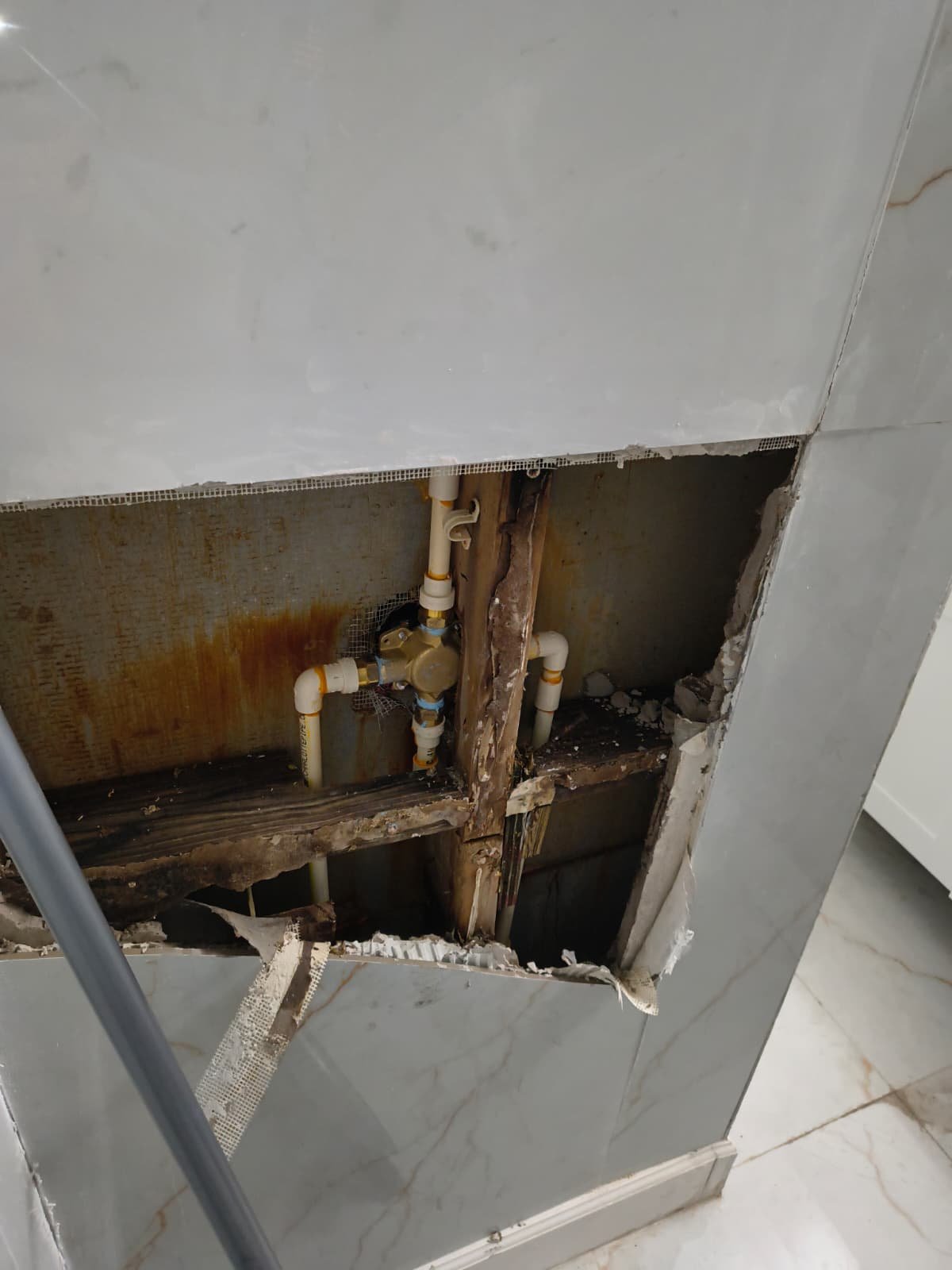
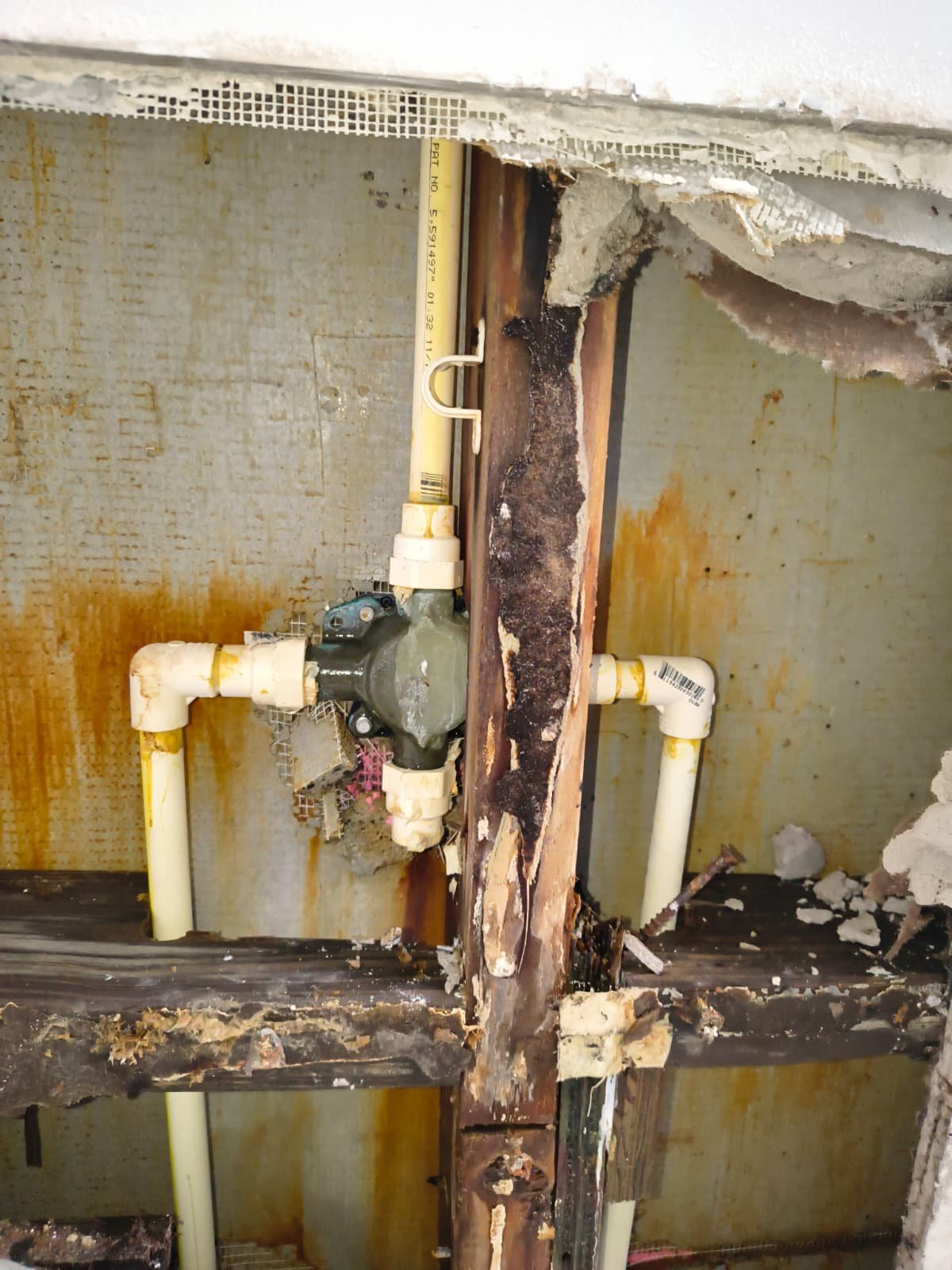
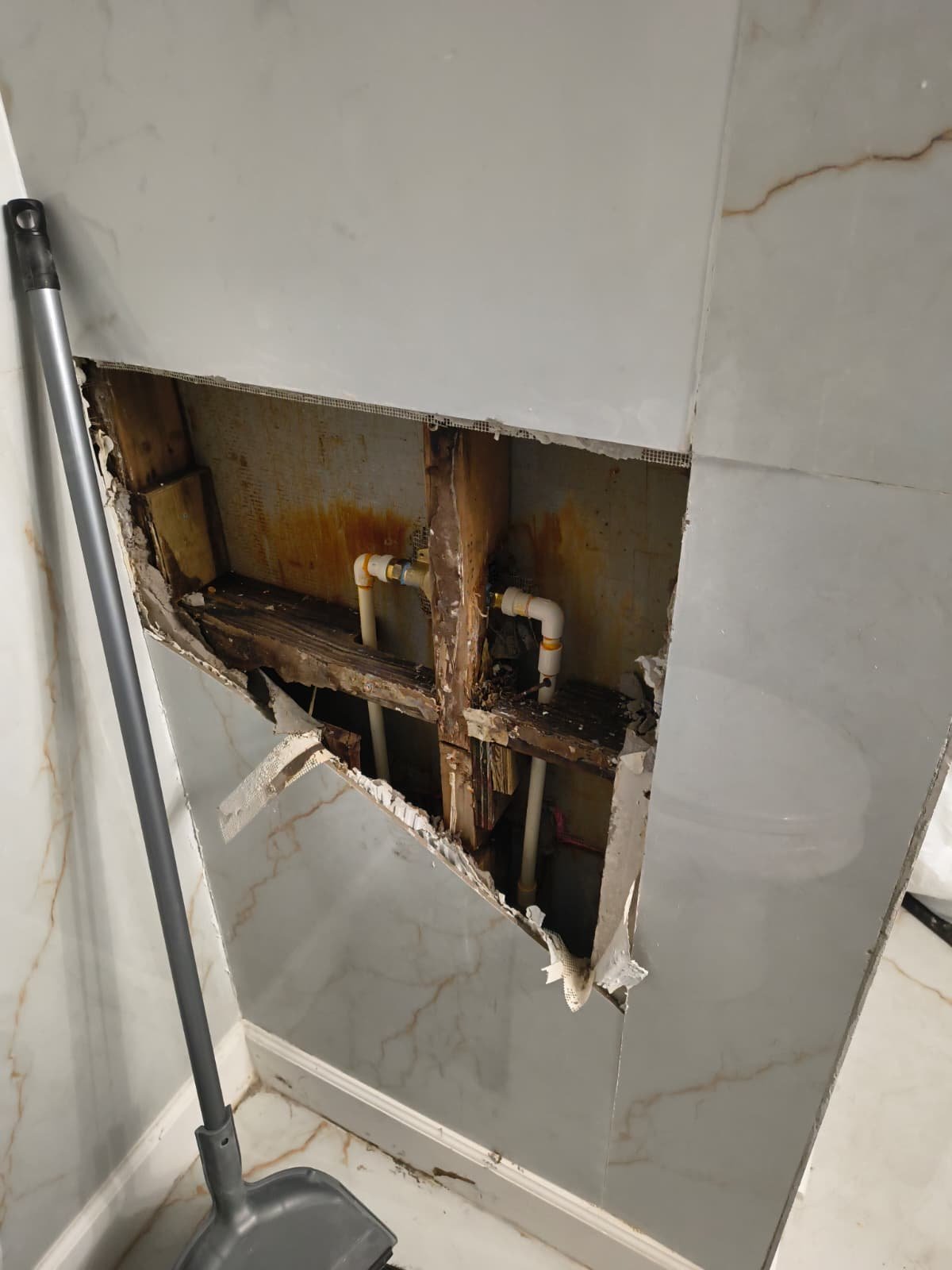
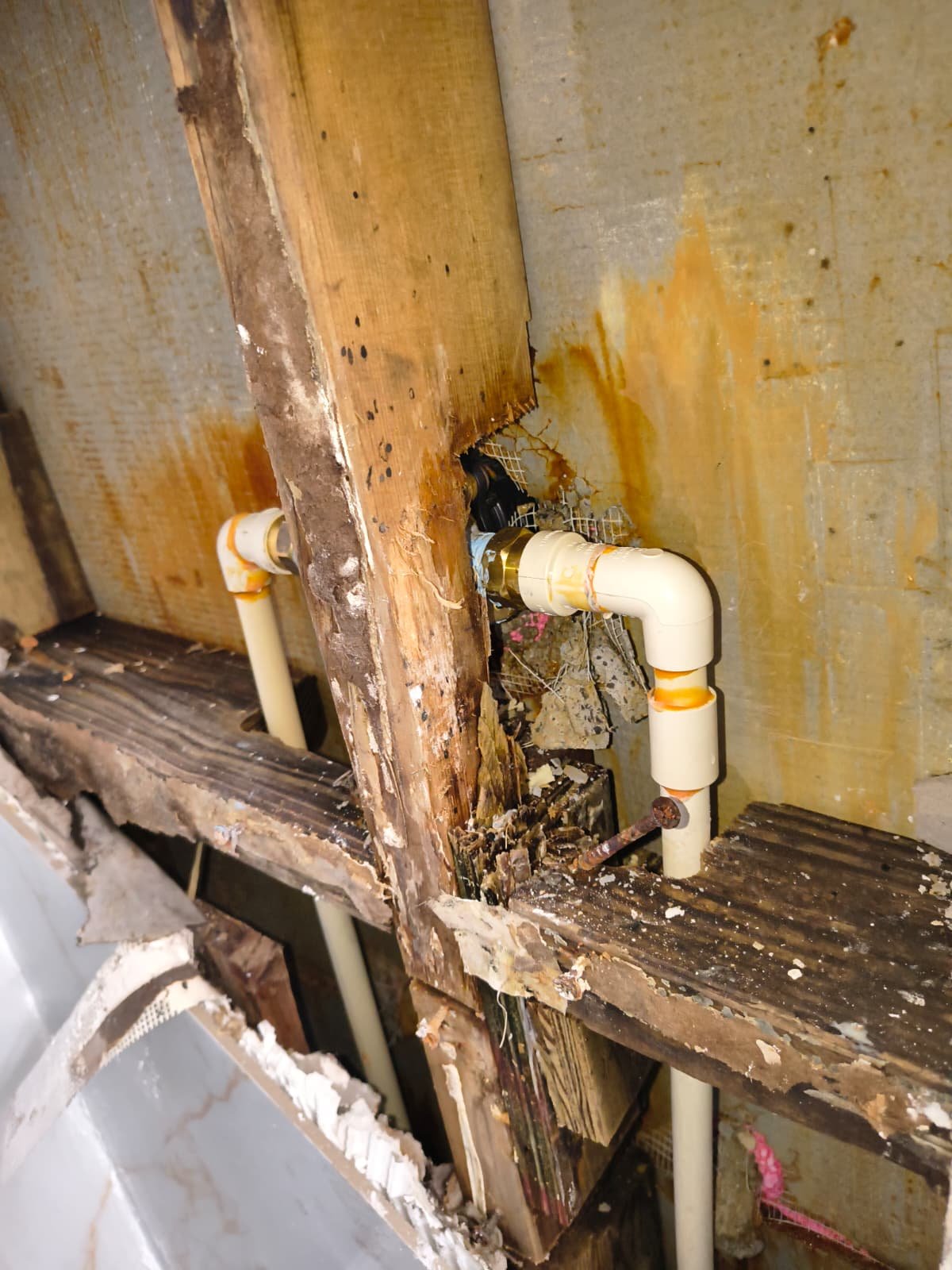
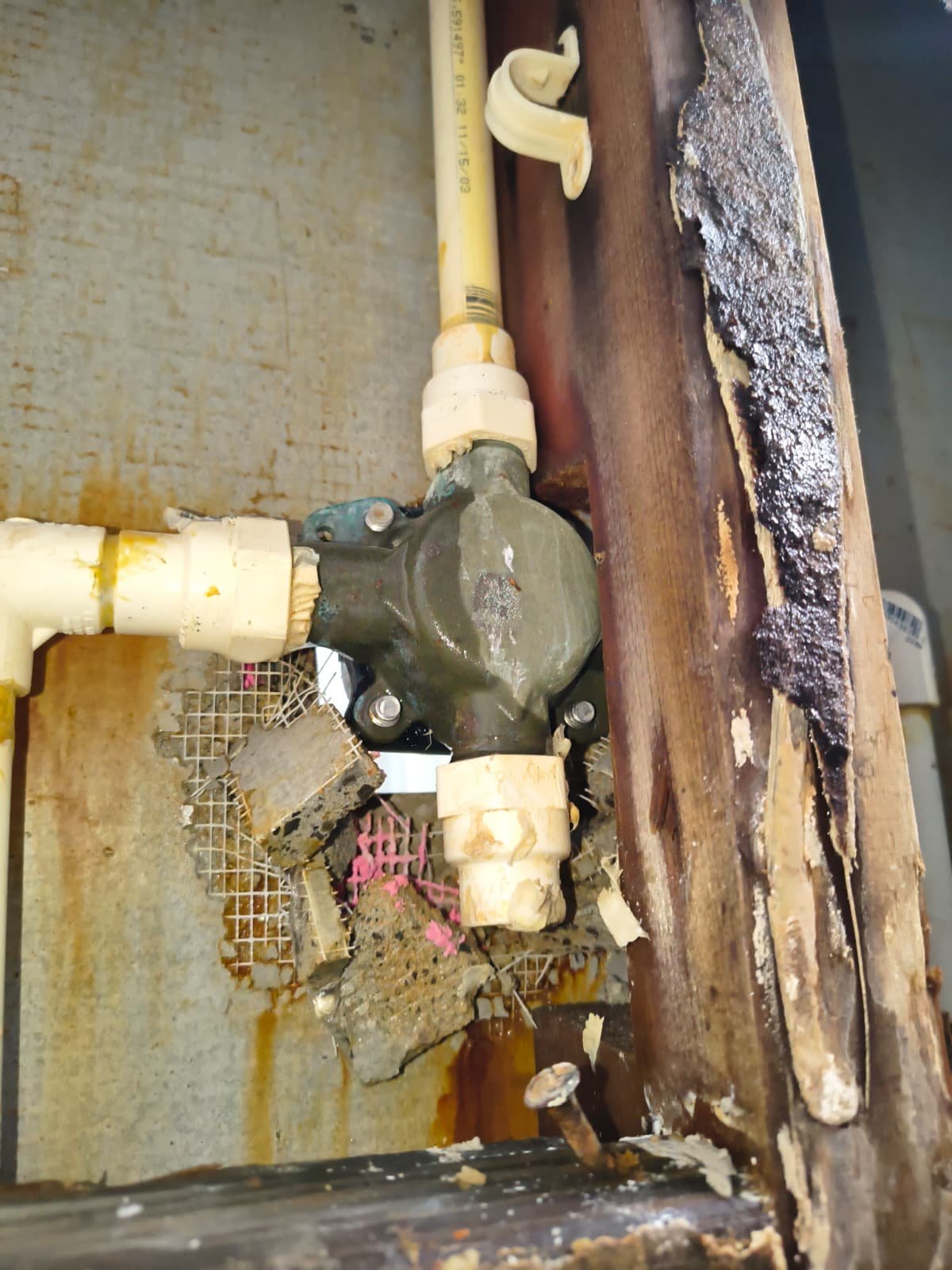
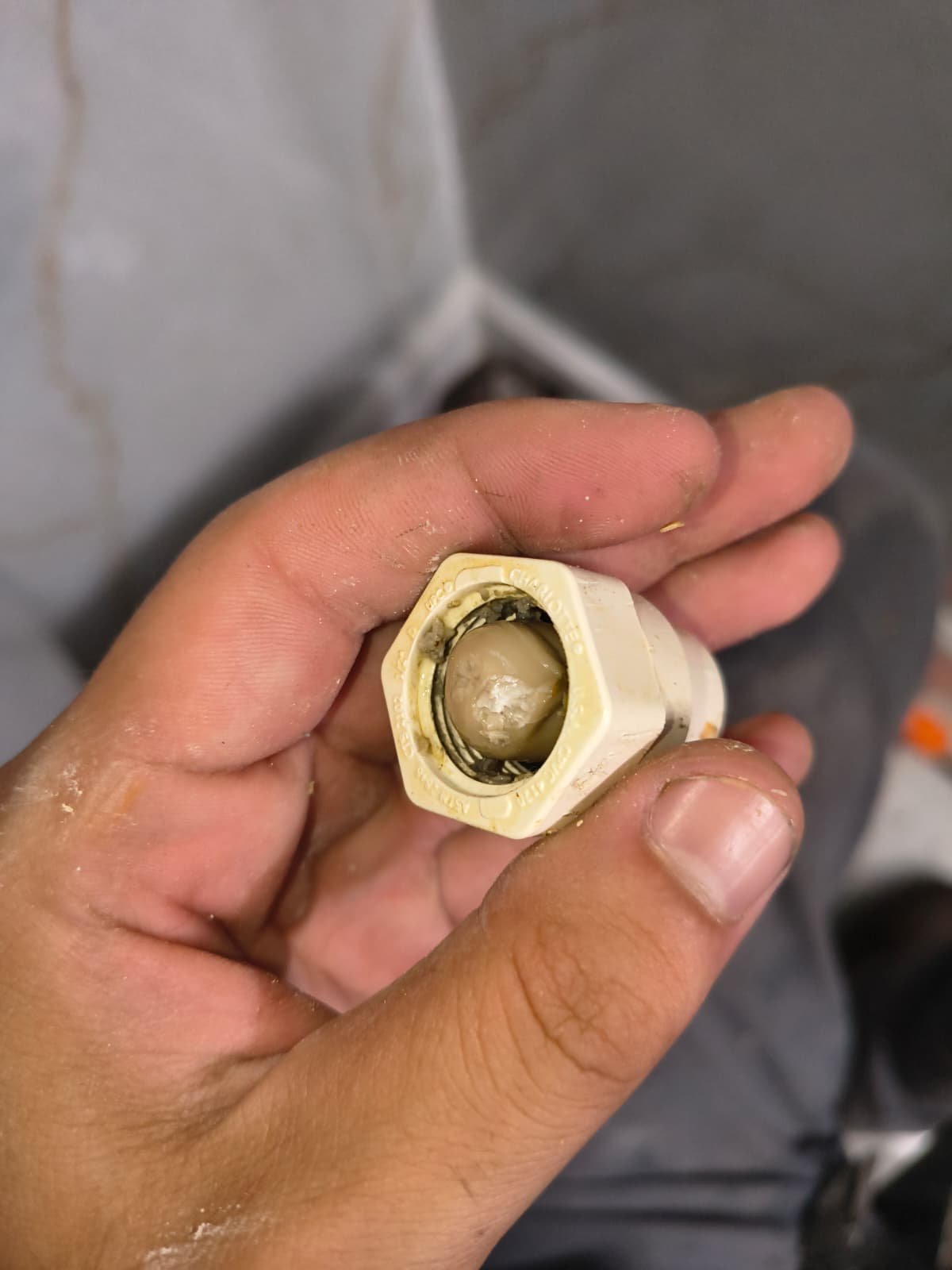
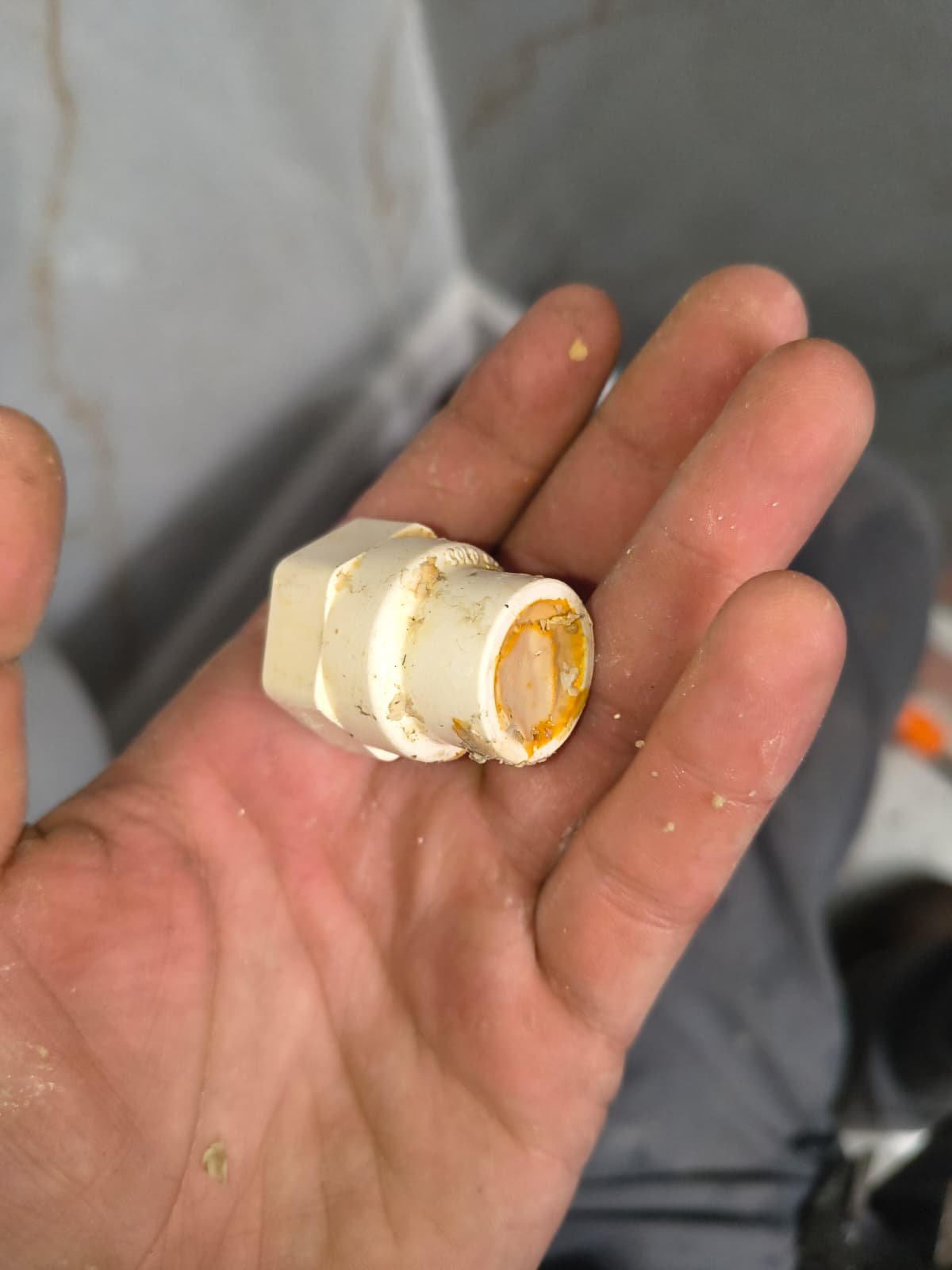
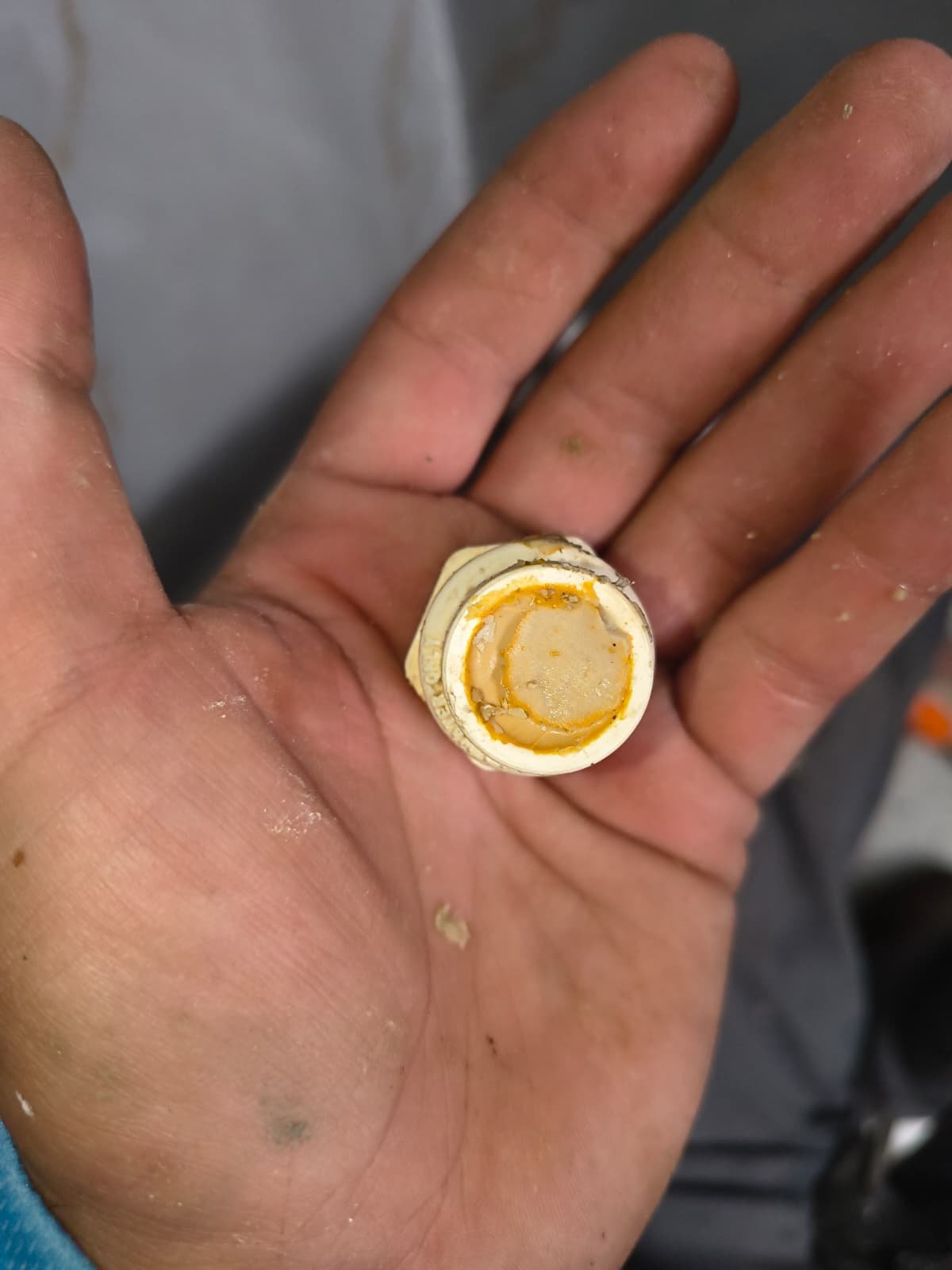
Metal threaded adapters were the detail that mattered most on this shower valve installation on North Dartmouth Avenue in Tampa, FL 33603. Micheal was called out because the homeowner had an active leak at the shower valve assembly, and the source was not a defective valve body. The real problem was how the previous installation had been put together. Once we opened the wall and inspected the connections, we found multiple threaded joints built in ways that commonly fail under normal use. This job is a good example of why plumbing repairs are often decided by connection quality, not just by the fixture name on the trim.
- Service performed: shower valve installation and leak-related inspection
- Location: North Dartmouth Avenue, Tampa, FL 33603
- Technician: Micheal
- Key finding: plastic female threaded adapters had been installed onto metal male threads
- What we did: re-installed the shower valve using metal threaded adapters in place of the broken plastic ones
- Invoice context: this visit included the valve work, leak diagnosis, and client-reported issue review
Why Both Inlets Were Leaking Before We Touched the Valve on This North Dartmouth Avenue Job
When we inspected the assembly, we found active leaks at both the hot and cold inlet connections feeding the shower valve. Those inlets had CPVC plastic female threaded adapters connected directly to metal male threaded fittings. That combination is a known weak point in plumbing because plastic threads can crack, distort, or lose their seal when tightened onto metal threads. The issue is not that plastic piping has no place in a plumbing system. The issue is that plastic female threads on metal male fittings are far more vulnerable than a metal threaded transition.
We also found a separate leak at the shower arm connection. That joint had been threaded into a plastic adapter with no thread sealant applied. In plain English, the connection had no tape or pipe dope to help seal the threads, so water had a path to escape. On top of that, the bottom outlet leaving the valve body had no pipe attached at all. Instead, it had been filled with glue as a way to cap the line. That particular point was not leaking, but it is not an accepted way to close off an unused outlet.
This is the kind of plumbing call where the pattern matters. One bad joint can happen. Several questionable threaded transitions in the same valve assembly usually point to workmanship problems, not random failure. That distinction matters for the homeowner because it changes the repair strategy. Replacing trim alone would not have solved this leak.
How Micheal Fixed the Shower Valve Leak: Metal Threaded Adapters and Proper Sealant in Tampa, FL 33603
Once Micheal identified the failed connection style, the solution was straightforward. We re-installed the shower valve using metal threaded adapters instead of the plastic threaded adapters that had broken and leaked. That change matters because metal female threads are better suited for joining to metal male threaded fittings. They reduce the cracking risk that comes from torque stress and from the different expansion and contraction rates of dissimilar materials over time.
This is one of those insider points that gets missed outside the trade. Many homeowners assume a shower valve leak means the valve cartridge failed or the valve body itself went bad. On this job, that was not the case. The bigger issue was the way the valve had been tied into the system. In other words, the weak point was the installation method around the valve, not the valve’s internal mechanism.
The combined invoice for this visit, which covered the shower valve installation, the valve line item, and the client-reported leak inspection, came to $748.
Because this was a wall-open plumbing repair, the scope also had practical limits. If sheetrock or tile needs to be cut to access the valve body and piping, plumbing work and wall finish work are separate trades. That is normal on this kind of shower valve installation in Tampa homes, especially when the goal is to stop an active leak correctly instead of patching around it.
What a Single North Dartmouth Avenue Shower Valve Taught Us About Threaded Connection Standards in Tampa
In Tampa, FL 33603, we see plenty of plumbing leaks that start at transitions rather than at major components. A shower valve can look fine from the outside while the real problem sits behind the wall at the threaded joints. This job had more than one clue. Both supply inlets were leaking, the shower arm lacked thread sealant, and an unused outlet had been handled with glue instead of a proper cap. Taken together, those details told us the leak was part of a broader installation issue.
That is also why we do not jump straight to the most expensive explanation. We could have treated this as a mystery leak and started replacing parts one by one. Instead, we followed the evidence. Symptom first, then connection check, then leak origin, then repair decision. That approach is what keeps a plumbing diagnosis honest. It also helps homeowners understand why one shower valve installation can last and another can fail early even when the visible trim looks similar.
For households in older Tampa neighborhoods, this matters even more. Bathrooms often get updated in phases, and hidden connections are easy to overlook once the wall is closed. If a valve has been tied into mixed materials or assembled without proper sealing at threaded joints, the leak may not show up until after repeated use. By then, the visible symptom is water where it should not be, but the real cause is still behind the wall.
What Tampa Homeowners Should Know Before Any Shower Valve Installation or Replacement
Here are a few practical takeaways from this job:
- If a shower leak seems to come from behind the wall, do not assume the cartridge is the only possible cause. The threaded supply connections may be the real issue.
- When metal male threads are part of the assembly, ask what type of female adapter is being used. That question can prevent repeat leaks.
- Thread sealant is a small detail, but it matters on shower arm connections and other threaded plumbing joints.
- If a bathroom wall has to be opened for valve access, plan separately for tile or sheetrock repair. Plumbing and finish restoration are usually different scopes of work.
- In Tampa’s year-round humidity, even a slow hidden leak can create a much bigger cleanup problem if it goes unnoticed behind a shower wall.
Real Questions From This Shower Valve Installation Job in Tampa, FL 33603
Why did this shower valve leak if the valve itself was not defective?
The leak came from the way the valve had been connected to the plumbing, not from an internal defect in the valve body. We found plastic female threaded adapters installed onto metal male fittings at the hot and cold inlets, and those joints were actively leaking. That type of connection is more likely to fail than a properly matched metal threaded transition.
Why are metal threaded adapters better in this situation?
Metal threaded adapters are better suited for joining to metal male threads because they handle tightening stress more predictably and are less prone to cracking than plastic female threads. On this job, replacing the broken plastic threaded adapters with metal threaded adapters addressed the actual failure point. The goal was not to change materials for appearance, but to correct the weak connection style that caused the leak.
Was the shower arm leak related to the same problem?
It was related in the sense that it pointed to installation quality, but it was a separate issue. The shower arm had been threaded into a plastic adapter without thread sealant. That missing sealant created another leak path. So while the hot and cold inlet leaks were tied to the adapter choice, the shower arm leak came from an omitted installation step at that threaded joint.
Does a hidden shower valve leak always require wall access?
Usually, yes. If the leak is happening at the valve body or the supply connections behind the trim, the wall often has to be opened to inspect and repair it correctly. On jobs like this one, the plumbing repair and the wall restoration are separate scopes. That is common and allows the leak to be fixed properly before cosmetic repairs are completed.
How do you tell the difference between normal wear and poor workmanship?
We look for patterns. On this job, there were multiple signs pointing in the same direction: leaking plastic-to-metal threaded transitions at both inlets, no thread sealant at the shower arm, and an unused outlet filled with glue instead of being properly capped. One isolated issue can be wear. Several avoidable connection problems in one assembly usually indicate substandard installation practices.
Why Tampa Homeowners on North Dartmouth Avenue and Beyond Call Home Therapist for Shower Valve Work
Home Therapist handles plumbing work across Tampa Bay with a focus on clear diagnosis and clean scope. We are a licensed Florida contractor, HVAC license CAC1819196 and plumbing license CFC1431159, and we have earned 1,100-plus five-star reviews since opening in 2017. On service calls like this one, we start with what is actually leaking, what caused it, and what repair will solve it without guesswork. That matters on behind-the-wall plumbing because the visible symptom is often smaller than the real issue. Our team services every brand, and we lead with FREE estimates and FREE diagnosis so homeowners can get answers before deciding on the next step.
The Three Failures Micheal Found and Why Each One Was Avoidable
When Micheal inspected the shower valve assembly on this North Dartmouth Avenue job, the failures were not random. They reflected a consistent pattern of shortcuts that are, unfortunately, not rare in residential plumbing work around Tampa.
- Plastic female threads on metal male fittings at both supply inlets. CPVC plastic and metal expand and contract at different rates. When you add the torque required to get a joint watertight, plastic female threads carry a real risk of cracking or deforming over time. Industry practice calls for brass or steel female-threaded adapters at these transitions. They are not expensive and they are widely available. Using all-plastic adapters here was not a one-time oversight. It happened at both the hot and the cold inlet, which tells us it was a deliberate choice by the original installer.
- No thread sealant on the shower arm. Thread tape or pipe dope at a threaded joint is not optional. It is one of the most basic steps in any threaded plumbing connection. This joint had neither. The result was a slow, active leak that was entirely preventable.
- An unused port capped with glue. Filling an open port with adhesive is not an accepted method for capping a plumbing line. The correct approach is a threaded cap or a properly glued cap fitting. The irony on this job was that this was the only connection that was not leaking at the time of our inspection, but it is still a liability waiting to become a problem.
Micheal re-installed the Kohler valve using metal threaded adapters at every transition point and applied proper thread sealant throughout. If your shower is leaking and a previous repair did not hold, call us at (813) 343-2212. We offer a FREE diagnosis on every service call.
Get a FREE Diagnosis on Your Shower Valve Leak in Tampa, FL 33603
If you are dealing with a leaking shower valve, hidden wall moisture, or a bathroom connection that does not seem right, Home Therapist can help. We provide shower valve installation and plumbing repair throughout Tampa, including the 33603 area. Call (813) 343-2212 to schedule service. We offer FREE estimates and FREE diagnosis, and we will walk you through what we find, what needs to be repaired, and what belongs to plumbing scope versus wall restoration scope.
Questions Homeowners Ask
Why do plastic threaded adapters fail when connected to metal fittings?
Plastic and metal expand and contract at different rates when exposed to temperature changes from hot and cold water cycling. That differential movement, combined with the torque applied during installation, stresses plastic female threads in a way that metal-to-metal connections are not vulnerable to. Over time, plastic threads can crack or deform at the joint, opening a path for a slow or active leak. Brass or steel female-threaded adapters are the correct choice for plastic-to-metal transitions and are standard practice in the plumbing industry.
Is a shower valve leak always caused by the valve itself?
Not usually. On this North Dartmouth Avenue job in Tampa, FL 33603, the Kohler valve body was not defective at all. Every leak we found traced back to how the connections around the valve had been made. Poor adapter material choices and missing thread sealant were the actual causes. That is why a proper inspection matters before anyone replaces a valve. Swapping a valve that does not need replacing while leaving bad connections in place will not stop the leak.
How long does a shower valve installation or replacement take?
It depends on what we find once we access the valve. A straightforward replacement on an accessible valve can take two to three hours. This job on North Dartmouth Avenue in Tampa ran 286 minutes, about four hours and forty-five minutes, because Micheal needed to fully inspect all the connection points, document the cause of the leaks, remove the existing failed hardware, and reinstall the valve correctly with proper metal threaded adapters and thread sealant at every joint. Diagnosis time is included in our FREE service call.
For broader context on this kind of work, see EPA WaterSense.


