

When an AC Stays at 81 Degrees, It Is Not Always Compressor Failure in Tampa
Symptoms of AC compressor failure in Tampa, FL 33611 can look serious, but an AC stuck at 81 degrees does not always mean the compressor has failed. In this case, the system shut itself down on a low-refrigerant safety, and restoring the correct refrigerant charge brought cooling back without compressor damage.
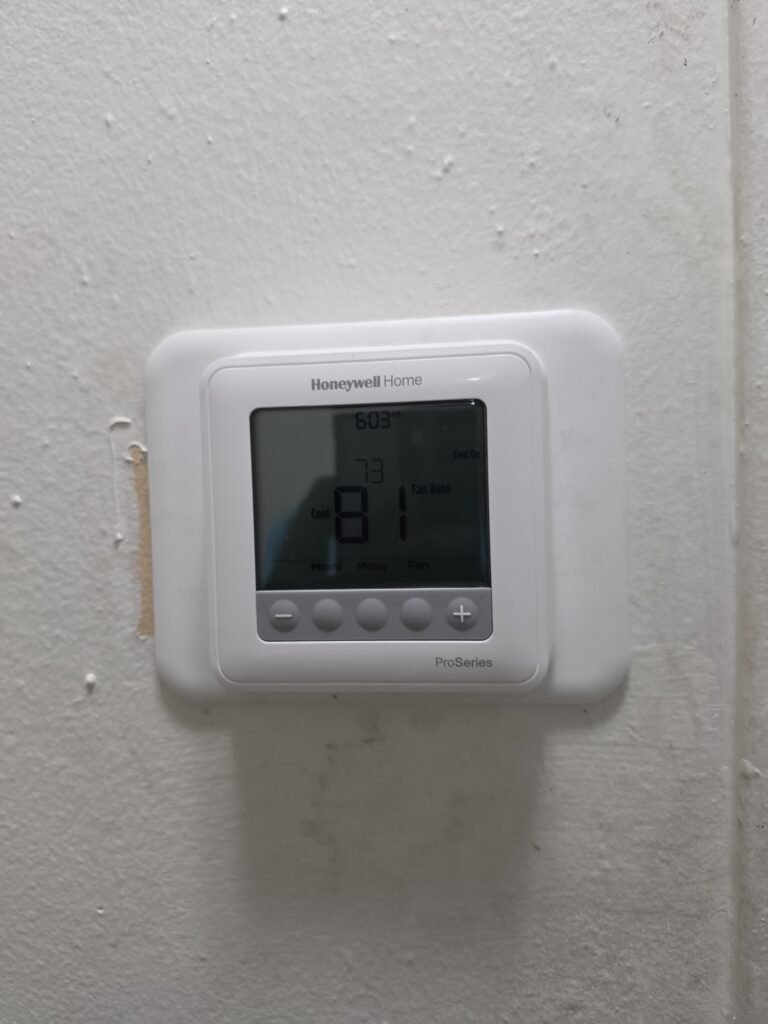
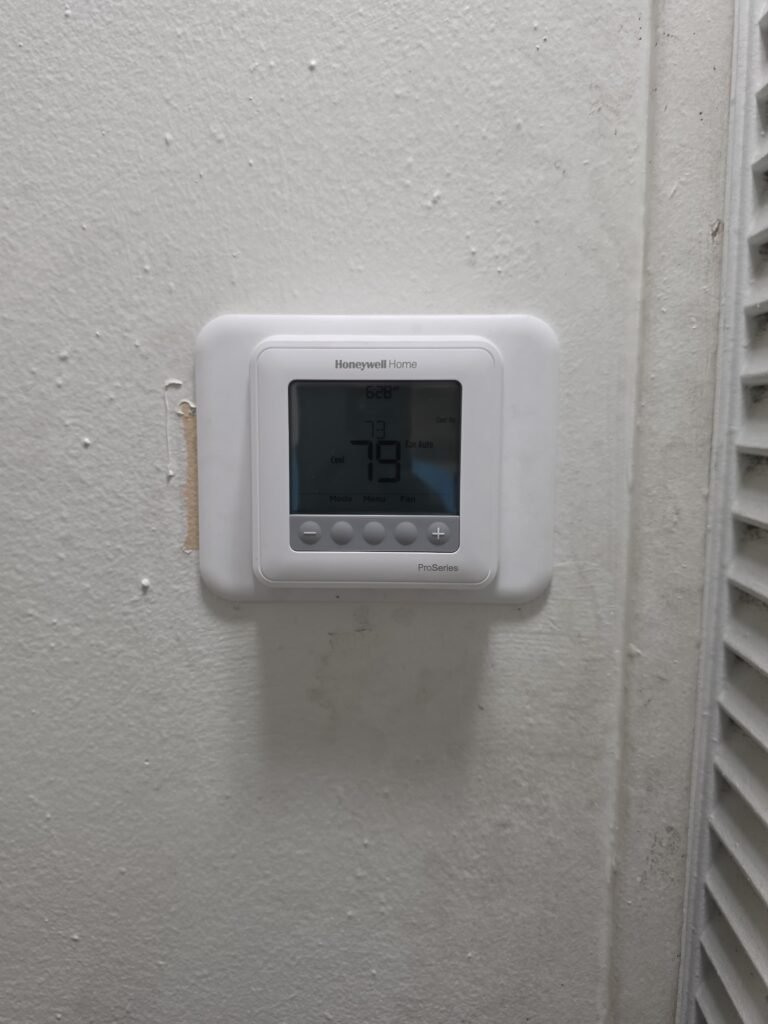
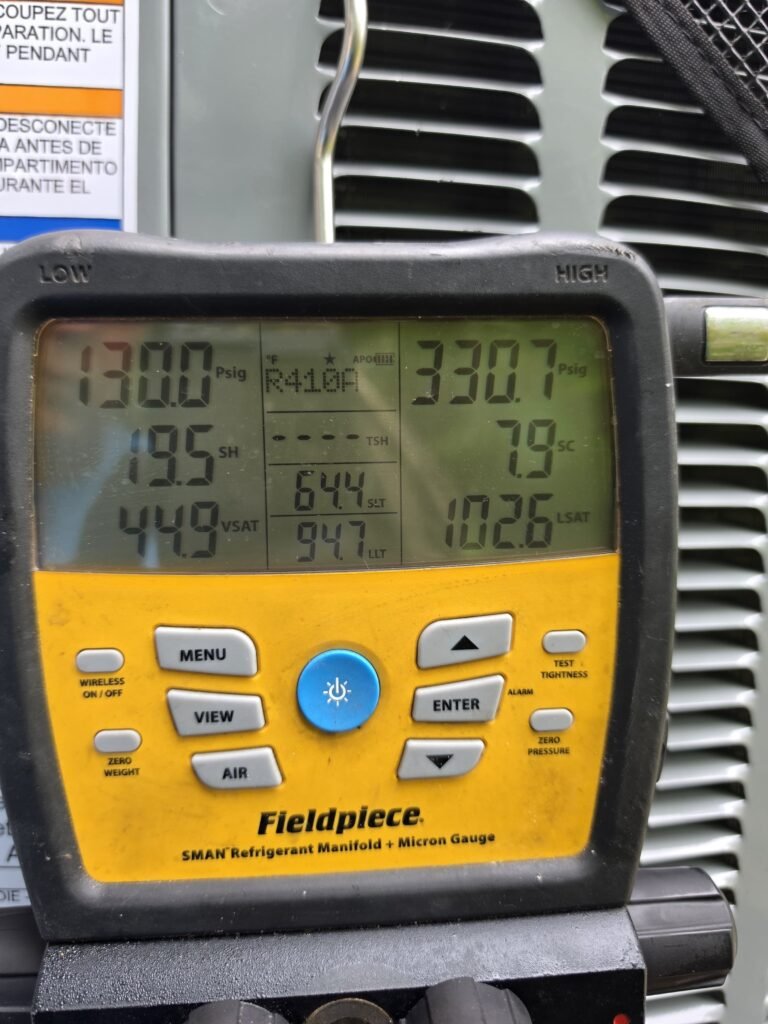
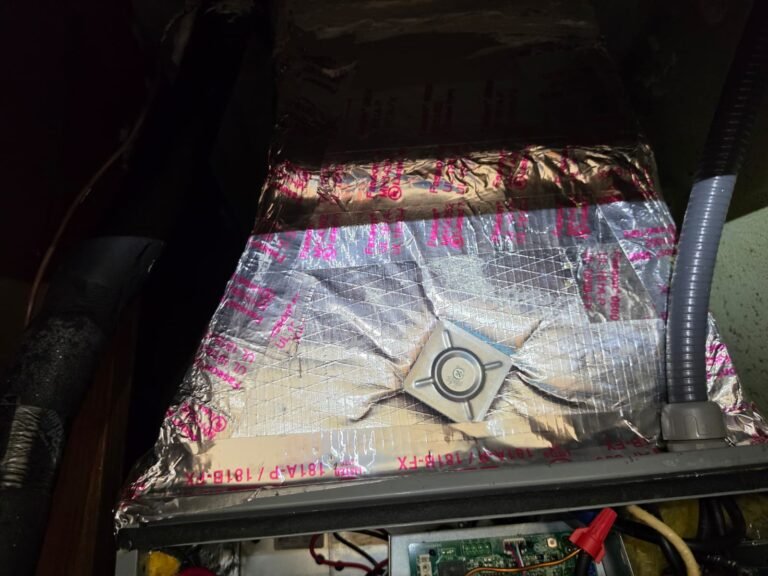
At this South Lynwood Avenue home in Tampa, FL 33611, Aridel arrived after the homeowner reported that the system installed the day before would not cool the house below 81 degrees. That symptom often makes people worry about air conditioning compressor failure, especially when a new system suddenly stops. What Aridel found was more specific and much better news. The unit had gone off on its built-in low-refrigerant safety, which is designed to protect the compressor when charge drops too low. After confirming the issue and adding the correct refrigerant charge, the system came back on and operated normally. He also confirmed the filter size as 16x20x1 and showed the tenant where the filter slot sits beneath the air handler.
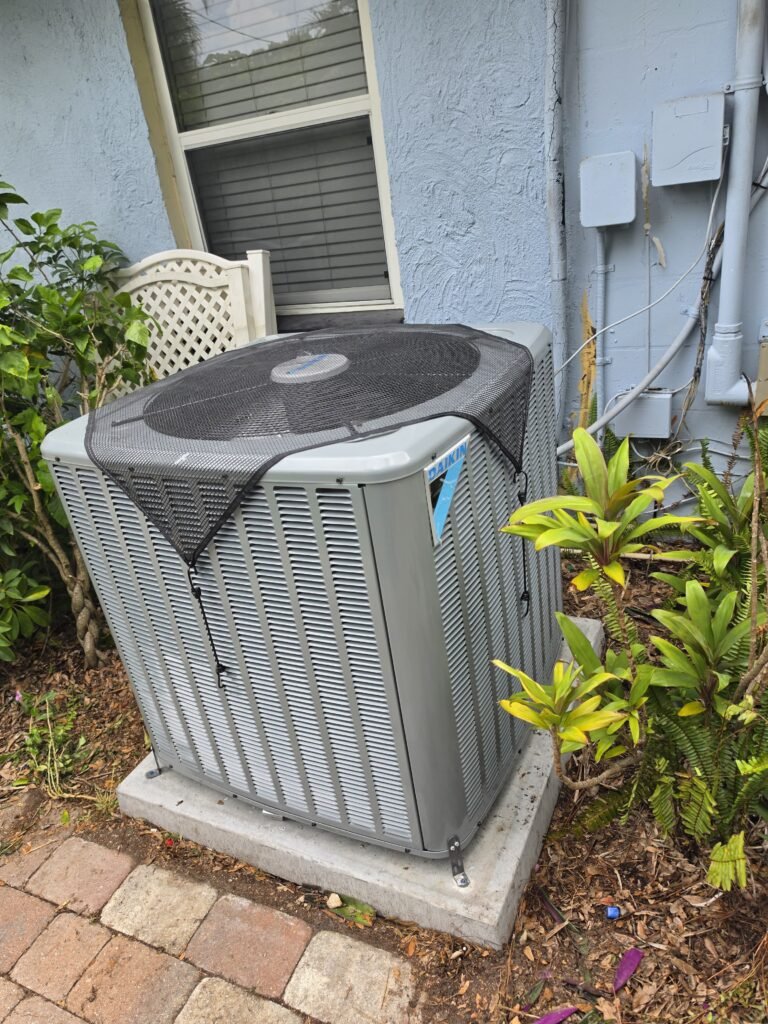
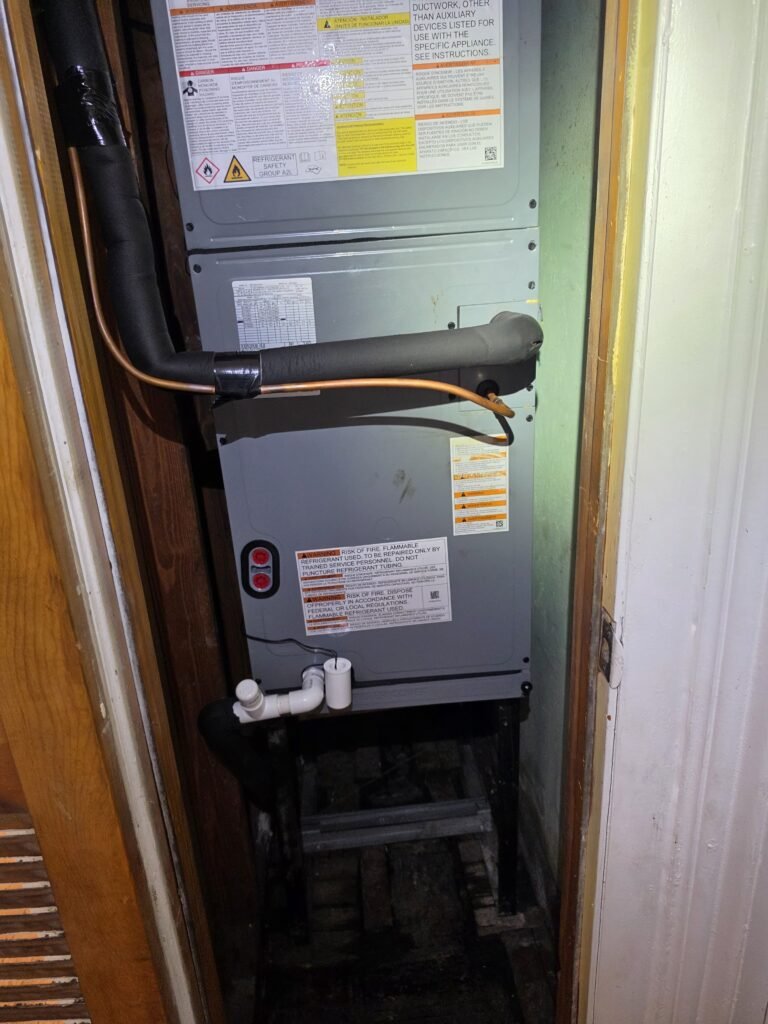
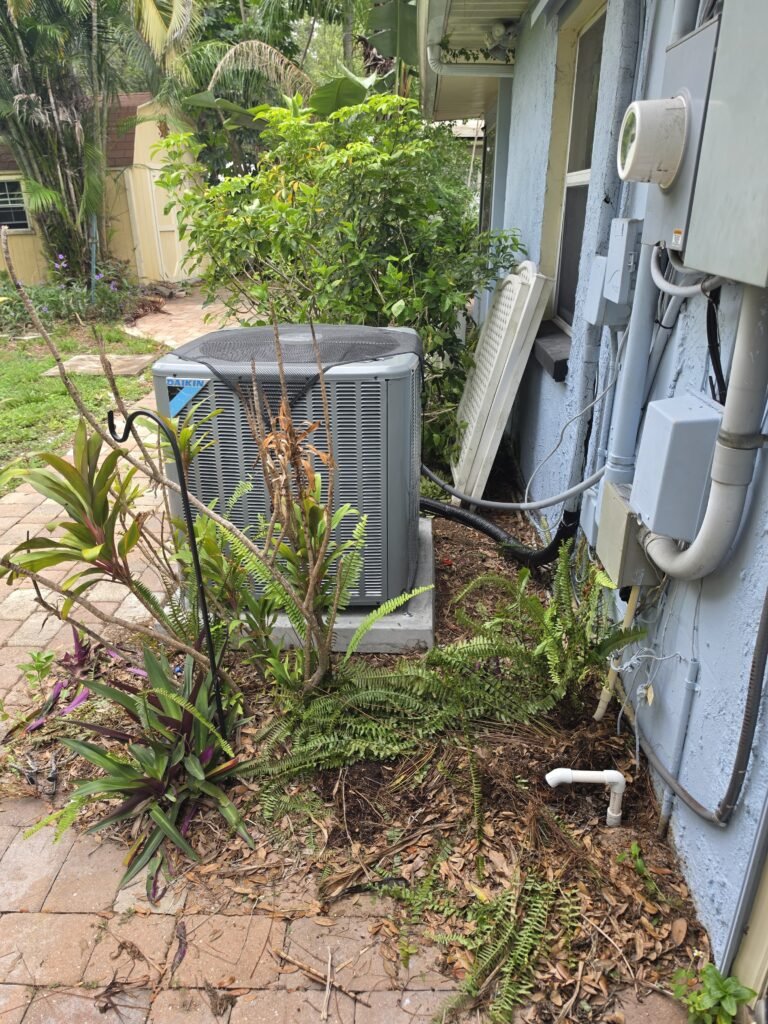
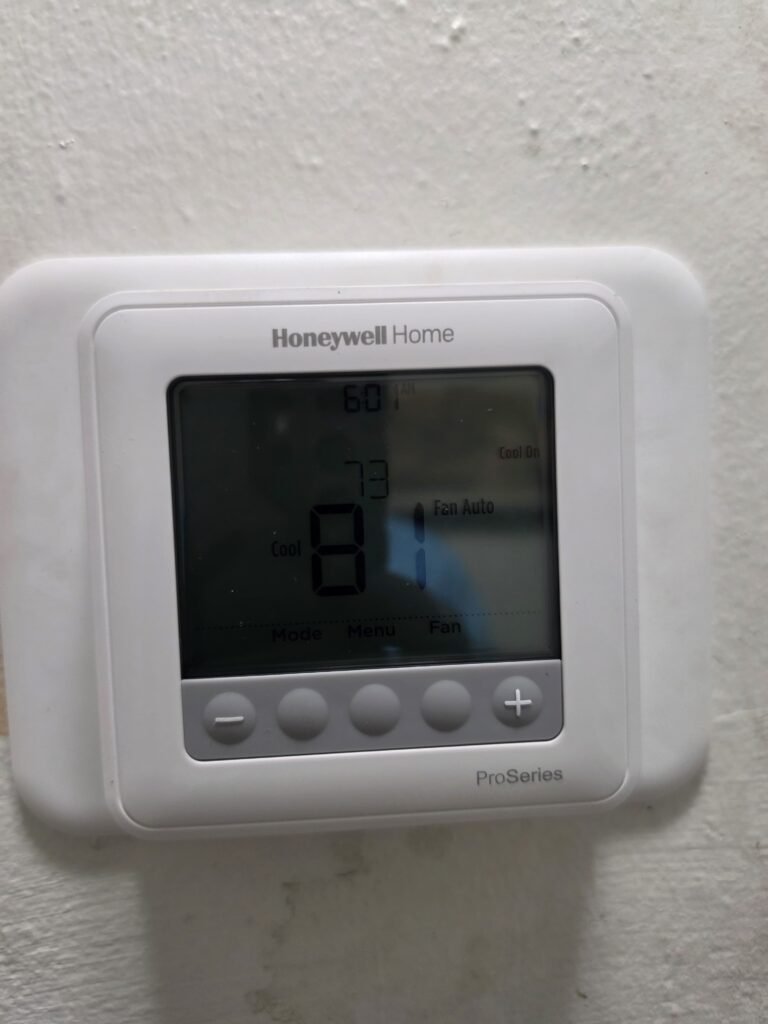
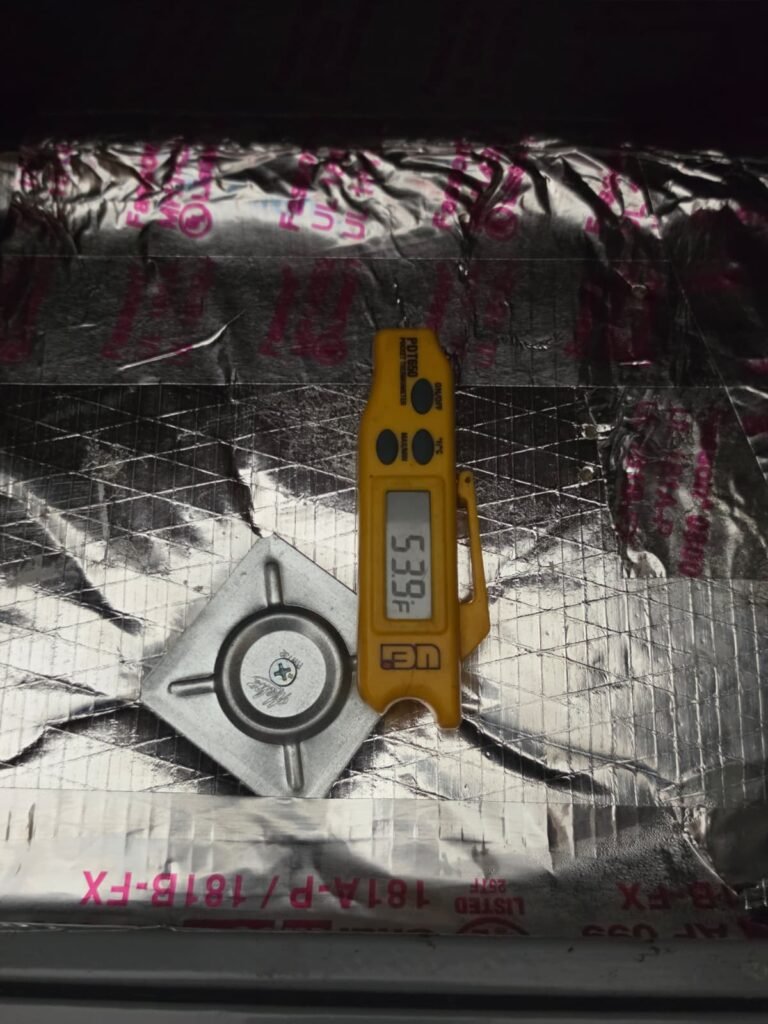
- Service performed: AC diagnostic and refrigerant recharge
- Neighborhood or street: South Lynwood Avenue
- Technician: Aridel
- Symptom: AC would not cool below 81 degrees
- Cause: Factory undercharge triggered the low-refrigerant safety
- What was done: Correct refrigerant charge restored and filter size confirmed
- Parts replaced: None
An AC stuck at 81 degrees can mimic symptoms of AC compressor failure
An AC that runs poorly or shuts down right after installation can send homeowners straight to the worst-case scenario. That is understandable, because some of the common symptoms of air conditioner compressor failure include warm air, poor cooling, and a system that will not keep up with the thermostat setting. On this call, though, the symptom was not the same as the cause. The thermostat was reading 81 degrees, but the compressor was being protected by the unit’s own safety controls, not failing internally.
That distinction matters. A compressor is the part that circulates refrigerant through the system so heat can be removed from the home. When refrigerant is too low, the compressor can overheat or suffer damage if the system keeps trying to run. The low-refrigerant safety is there to stop that chain of events early. In other words, the shutdown was a protective response, not proof of compressor failure. That is a useful answer for anyone searching what is the most common cause of compressor failure Tampa homeowners should worry about, because low refrigerant is one of the most important conditions to catch before compressor damage starts.
The low-refrigerant safety did exactly what it was supposed to do on this Tampa call
The key finding on this Tampa, FL 33611 visit was that the unit had shut down because its built-in low-refrigerant sensor detected an unsafe condition. Aridel traced the no-cool complaint back to an undercharged system from the factory, not to an installation error and not to a burned-out compressor. Once the charge was corrected, the system powered back on and resumed normal operation.
This is the kind of diagnostic step that separates real AC repair from guessing. Warm air alone does not confirm AC compressor failure signs. A technician has to determine whether the compressor is being asked to run under the wrong conditions, whether a safety has opened, or whether the compressor itself has actually failed. Here, the safety control prevented damage before it could happen. Because refrigerant handling must be done properly, this is also work that falls under EPA Section 608 rules for refrigerant service.
Since this visit was a callback on a newly installed system, the homeowner used our complimentary diagnostic visit at no charge.
The filter detail mattered because airflow problems can look like compressor trouble too
The refrigerant issue solved the immediate shutdown, but Aridel also took time to confirm a detail that helps prevent future confusion. This system uses a 16x20x1 filter, and he showed the tenant the filter slot beneath the air handler so future filter changes happen in the right place with the right size. That may sound small, but it is practical information that protects performance.
Restricted airflow can create its own set of cooling complaints, including longer run times, weak comfort, and coil stress. Homeowners sometimes group all of that under signs of AC compressor failure, when the real issue is much simpler. On a Tampa Bay system that may run through most of the year, correct filter changes are one of the easiest ways to reduce avoidable strain. For broader cooling guidance, the U.S. Department of Energy also emphasizes airflow and maintenance as part of efficient central air operation.
This is also the contrarian lesson from this call. Most people assume a brand-new system that stops cooling must have a major failed part. In reality, this South Lynwood Avenue visit showed that a protective shutdown can be the reason the system survived the problem instead of becoming a compressor replacement job.
What this Tampa homeowner needed to know after cooling was restored
Once the correct refrigerant charge was in place, the system operated normally again. That gave the homeowner a clear answer and a useful baseline for the future. If the system cools properly after charge correction and safety reset, that is very different from a system showing persistent compressor failure symptoms after proper setup.
Aridel also documented that the unit had arrived undercharged from the factory, which is important context if any related concern ever appears later. That kind of note helps prevent future confusion about whether a later issue started at installation, during operation, or upstream before the equipment ever reached the home. For homeowners in our service area, good documentation is part of good service, especially on a new system where early performance questions need straight answers instead of assumptions.
Pro tips for Tampa homeowners worried about symptoms of AC compressor failure
Tampa cooling systems work hard for much of the year, so a few practical habits can help you tell the difference between a true compressor problem and a protectable operating issue.
- Check the thermostat reading against the airflow coming from the vents. If the house is warm but the system recently shut down, a safety control may be involved.
- Use the exact filter size the system calls for. On this job, that was 16x20x1. A wrong filter can reduce airflow and create misleading symptoms.
- Do not assume a new system is immune from factory-related issues. New equipment can still arrive with a setup problem that needs correction.
- If cooling suddenly stops, avoid repeated thermostat cycling. Let a technician determine whether the unit is protecting itself.
- Keep records from early service visits. On a Tampa system, that history can matter later if performance questions come up.
Questions this 81-degree AC call raises about compressor failure in Tampa
Will my AC still work if the compressor is bad?
No, a truly bad compressor usually means the system cannot cool properly. That said, this Tampa call is a good example of why the symptom alone is not enough. The AC would not pull the home below 81 degrees, but the compressor had not failed. The unit had shut down on a low-refrigerant safety, and once the correct charge was restored, normal cooling returned.
How do I know if I need a new AC compressor?
You need a new AC compressor only after testing confirms the compressor itself has failed. Warm air, weak cooling, or a shutdown can point in that direction, but they can also come from low refrigerant, airflow problems, or safety lockouts. On this South Lynwood Avenue job, the system looked serious at first, yet the actual fix was correcting an undercharge rather than replacing major equipment.
How do I diagnose if my AC compressor is bad?
The right way to diagnose a bad AC compressor is to verify the operating conditions first, then test the system instead of guessing from symptoms. A technician needs to determine whether the compressor is being protected by a safety, starved of refrigerant, or suffering from an internal failure. In this case, Aridel found that the shutdown was caused by low charge from the factory, which prevented a wrong diagnosis.
What is the most common cause of compressor failure?
Low refrigerant and the conditions around it are among the most common causes of compressor damage. The compressor depends on proper refrigerant charge to operate within safe limits. This Tampa job did not become a compressor failure because the low-refrigerant safety shut the system down in time. That is exactly why no-cool symptoms should be checked early instead of pushed until the system tries to run under stress.
Is it worth replacing a compressor on an AC unit?
It can be worth replacing a compressor in some cases, but only after confirming the compressor is actually the failed component. This job never reached that point because the symptoms of AC compressor failure were misleading. The system was undercharged from the factory, the safety control did its job, and the correct refrigerant charge restored operation. Good diagnosis comes before any replacement discussion.
Schedule AC repair in Tampa, FL 33611 with Home Therapist
If your system is blowing warm air, stuck near one temperature, or showing what seem like symptoms of AC compressor failure, Home Therapist can sort out the cause clearly. We have served Tampa Bay since 2017, and our team brings licensed HVAC and plumbing expertise to every call. Our HVAC license is CAC1819196, our plumbing license is CFC1431159, and we have earned 1,300-plus five-star reviews by staying direct about what we find and what we do next. That means no guesswork, no scare tactics, and no pushing a major replacement when a precise repair or adjustment is the real answer.
For homeowners in Tampa, FL 33611 and nearby neighborhoods, we are here when a new system acts up, an older unit stops cooling, or you simply want a second opinion grounded in real diagnostics. You can also read our customer reviews to see how we handle service across Tampa Bay. Call Home Therapist at (813) 343-2212 to schedule service. We offer FREE estimates and FREE diagnosis, and we are always happy to explain exactly what your system is doing and why.


